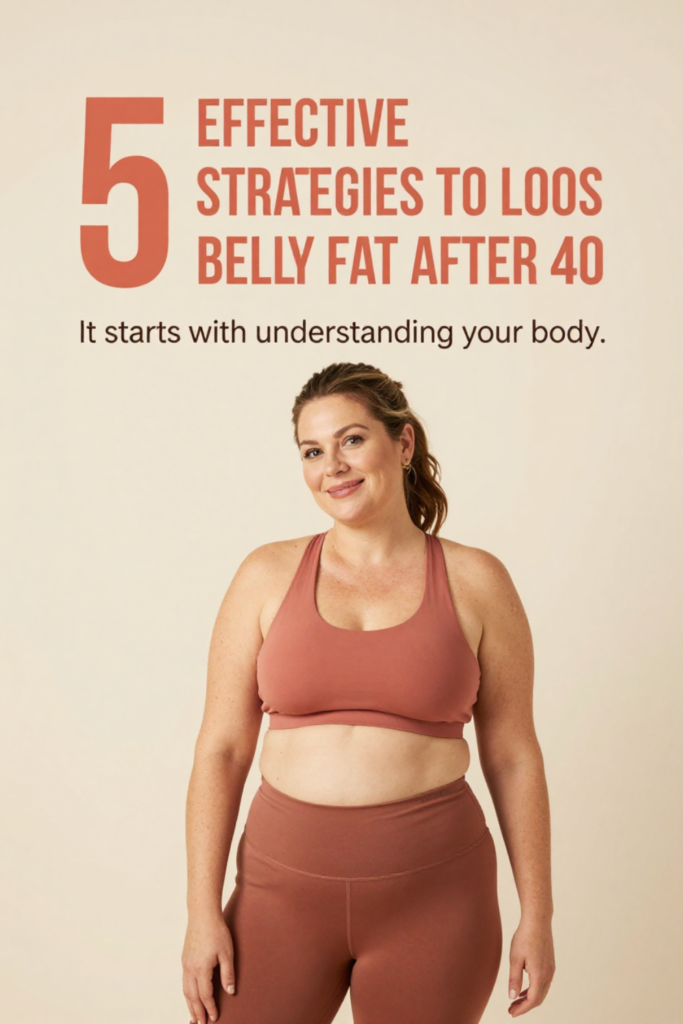
5 Effective Strategies to Lose Belly Fat After 40: A Science-Backed Approach
Understanding Visceral Fat: The Hidden Threat Visceral fat, often referred to as the “hidden fat,” is a type of body fat that is stored within the abdominal cavity. This form of fat is particularly troubling because it surrounds vital organs such as the liver, pancreas, and intestines. For women over the age of 40, the…
Understanding Visceral Fat: The Hidden Threat
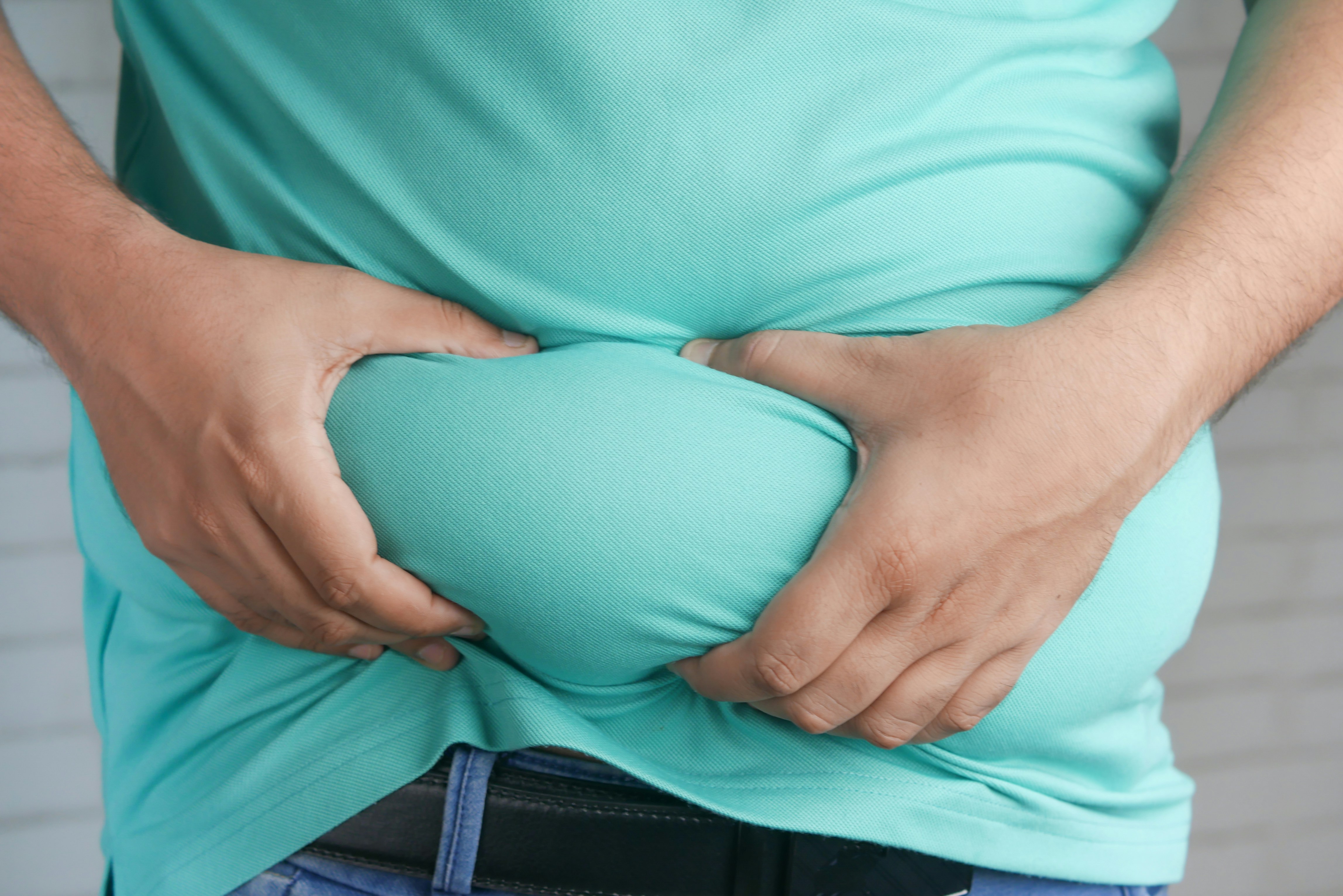
Visceral fat, often referred to as the “hidden fat,” is a type of body fat that is stored within the abdominal cavity. This form of fat is particularly troubling because it surrounds vital organs such as the liver, pancreas, and intestines. For women over the age of 40, the risk of accumulating visceral fat increases significantly due to hormonal changes during perimenopause and menopause. These physiological shifts can lead to weight gain, particularly in the abdominal region, making it crucial to understand this type of fat and its implications.
One of the primary issues with visceral fat is its connection to various health complications. Research has shown that excess visceral fat is linked to an increased risk of cardiovascular disease, type 2 diabetes, and even certain cancers. Unlike subcutaneous fat, which is the fat that lies just beneath the skin, visceral fat is more metabolically active and can produce inflammatory markers that negatively impact overall health. This makes effective management of visceral fat vital, particularly for women navigating the complexities of their bodies after 40.
The hormonal fluctuations that occur during the perimenopausal and menopausal periods play a significant role in the accumulation of visceral fat. A decline in estrogen levels can lead to a redistribution of fat, resulting in increased abdominal fat storage. Moreover, stress and lifestyle factors commonly associated with aging, such as decreased physical activity and poor dietary choices, can exacerbate the problem. As such, addressing visceral fat requires more than sheer willpower; it demands a comprehensive approach that encompasses diet, physical activity, and stress management strategies tailored to individual needs.
The Ineffectiveness of Crunches and Restrictive Diets
Belly fat, particularly visceral fat, is a common concern for individuals over 40. Traditional methods like crunches and stringent dieting have long been touted as solutions. However, scientific research suggests these approaches may not effectively target visceral fat, often leading to frustration and minimal results. Crunches focus primarily on abdominal muscles, enhancing muscle tone but not necessarily reducing fat. In fact, spot reduction is largely deemed a myth; fat loss occurs uniformly across the body through comprehensive lifestyle changes rather than isolated workouts.
Furthermore, restrictive diets often backfire. While reducing caloric intake may yield short-term results, such diets can hinder metabolism and disrupt hormonal balance. When the body senses starvation, it lowers its metabolic rate as a survival mechanism, making it increasingly difficult to lose belly fat sustainably. This reduction in metabolic rate can result in diminished energy, emotional distress, and a higher likelihood of reverting to old eating habits, ultimately influencing weight gain.
Hormones play a significant role in addressing abdominal fat. As individuals age, hormonal changes — including alterations in estrogen, testosterone, and insulin levels — can undermine efforts for fat loss. Instead of relying heavily on crunches and austere diets, it may be more effective to adopt alternative strategies. Engaging in moderate exercise such as walking, yoga, or strength training has been linked to better management of body weight and hormonal health, contributing to a more balanced metabolic state. Additionally, prioritizing a balanced diet that includes a variety of nutrients can support overall health and aid in the reduction of belly fat.
The Role of Strength Training and HIIT in Revving Your Metabolism
As individuals age, particularly after 40, maintaining a healthy metabolism becomes increasingly vital for effective weight management, especially in reducing belly fat. Two pivotal exercise modalities that play a significant role in enhancing metabolic rate are strength training and high-intensity interval training (HIIT). Integrating these into a regular workout routine can yield substantial benefits not just for fat loss, but also for overall health.
Strength training involves a series of resistance exercises that promote muscle mass development. As muscle tissue is metabolically active, increasing muscle mass can lead to a higher resting metabolic rate. This means that even at rest, individuals with more muscle will burn more calories than those with higher levels of body fat. Research indicates that regular strength training can also help manage fat-storing hormones, thereby enabling the body to clear out excess belly fat more effectively.
On the other hand, high-intensity interval training (HIIT) is characterized by short bursts of intense exercise followed by lower-intensity recovery periods. This format not only maximizes calorie burn during the workout but also continues to elevate the metabolic rate post-exercise, a phenomenon known as excess post-exercise oxygen consumption (EPOC). HIIT not only aids in fat loss but can also improve cardiovascular fitness, making it an efficient option for those pressed for time.
To effectively incorporate strength training and HIIT into your regimen, consider starting with two to three sessions of strength training per week, focusing on major muscle groups. For HIIT, begin with shorter intervals of 20 seconds to 1 minute of high-effort followed by equal or shorter rest periods. Gradually increase the intensity and duration as your fitness improves. By leveraging these exercise strategies, individuals over 40 can significantly enhance their metabolism and work towards achieving their fat loss goals.

Managing Stress and Sleep for Belly Fat Reduction
Effective management of stress and improvement in sleep quality are increasingly recognized as vital factors in reducing belly fat, particularly for individuals over 40. Research indicates that heightened stress levels can trigger the release of cortisol, often referred to as the “stress hormone.” Elevated cortisol can lead to increased appetite, particularly for high-calorie and sugary foods, ultimately resulting in the accumulation of visceral fat in the abdominal region.
To counter this effect, integrating daily habits focused on stress reduction can be highly beneficial. Mindfulness practices, such as meditation and focused breathing, have been shown to significantly lower stress levels while promoting a sense of well-being. Engaging in these practices for just a few minutes each day can cultivate a calmer mindset, which may also assist in managing cravings linked to stress.
In addition to mindfulness, establishing a consistent sleep routine is imperative. Quality sleep resets hormonal balance, helping to regulate both cortisol and insulin levels—both of which play a critical role in fat storage. Creating a conducive sleep environment, such as maintaining a cool, dark room and reducing screen time before bed, can assist in achieving a restful night’s sleep.
In some cases, sleep aids may be warranted to improve sleep quality. Herbal supplements like valerian root or melatonin can be explored after consulting a healthcare professional. Moreover, assessing lifestyle factors, such as caffeine intake and exercise, can contribute to better sleep patterns and lower stress levels.
This holistic approach, encompassing mindfulness practices, improved sleep habits, and lifestyle adjustments, not only aids in stress and sleep management but also plays a crucial role in combating belly fat accumulation. By prioritizing these strategies, individuals over 40 can take significant steps toward achieving their weight loss and health goals.