Understanding Hormonal Weight Gain After 40: The Role of Estrogen
The Impact of Aging on Hormones As women age, they undergo various hormonal changes that can significantly affect their body composition and overall health. One of the most notable changes is the decrease in estrogen levels, particularly as women approach menopause, typically occurring between the ages of 45 and 55. This reduction in estrogen, which…
The Impact of Aging on Hormones
As women age, they undergo various hormonal changes that can significantly affect their body composition and overall health. One of the most notable changes is the decrease in estrogen levels, particularly as women approach menopause, typically occurring between the ages of 45 and 55. This reduction in estrogen, which is crucial for regulating many physiological processes, can lead to various physical adaptations that may contribute to hormonal weight gain after 40.
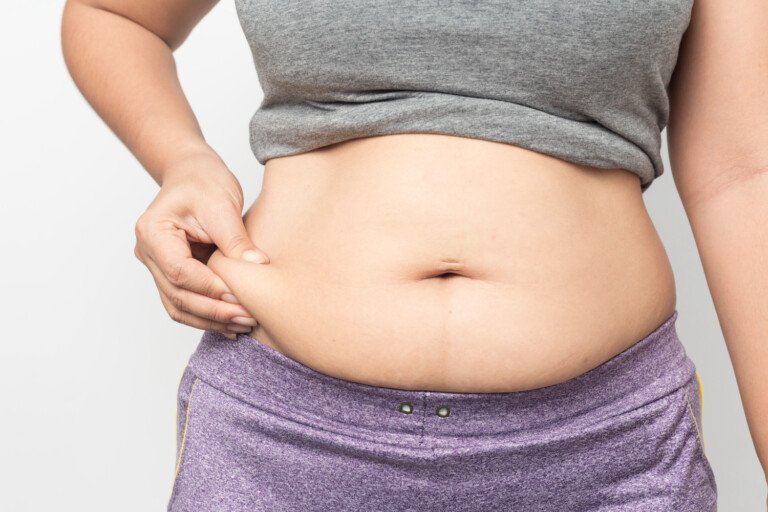
Estrogen is not only vital for reproductive health but also plays a significant role in fat distribution within the body. As estrogen levels decline, the body often compensates by storing fat in areas that were previously less affected. This shift can result in increased abdominal fat, which is not only a cosmetic concern but also poses risks for metabolic health. The interplay between aging and hormonal fluctuations can create a challenging environment for weight management. Women may find it increasingly difficult to maintain their previous weight or lose added pounds due to these biological changes.
In addition to the drop in estrogen, aging is accompanied by an overall decline in metabolic rate and muscle mass. This natural progression further contributes to the tendency to gain weight as one ages. Muscle tissue burns more calories than fat, so a decrease in muscle mass can hinder weight loss efforts and promote fat accumulation. Furthermore, hormonal fluctuations can affect appetite regulation and cravings, making it challenging to stick to healthy dietary habits.
Understanding the impact of aging on hormones, including the pivotal role of estrogen, is crucial in recognizing how these changes can lead to hormonal weight gain after 40. By acknowledging these physiological shifts, women can better prepare themselves to address the challenges related to weight management during this phase of life.
Bonus: The 5-Minute Menopause Belly Reset


Struggling with stubborn belly fat after 40 even though you’re exercising and eating well?
The truth is, menopause changes how your body responds to workouts. Long cardio sessions and extreme dieting often raise stress hormones and make fat loss harder.
This guide shows you a smarter, hormone-friendly approach designed specifically for women in midlife.
Inside this ebook you’ll learn:
• Why traditional cardio can increase menopause belly fat
• The role of cortisol and hormonal changes in weight gain
• How strength training boosts metabolism and burns fat
• Why muscle becomes your greatest fat-burning advantage
• A simple 5-Minute Menopause Belly Blitz routine you can do at home
You don’t need a gym.
You don’t need long workouts.
You just need the right strategy.
Start working with your hormones instead of against them and discover how small daily strength workouts can help you feel stronger, healthier, and more energized in midlife.
The Role of Estrogen in Weight Regulation
Estrogen, a crucial hormone in the human body, plays a significant role in regulating various physiological processes, including metabolism, fat distribution, and appetite control. As individuals reach the age of 40 and beyond, fluctuations in estrogen levels can lead to noticeable changes in weight, particularly around the abdominal area. This hormonal weight gain after 40 can often be directly correlated to the decline in estrogen production, which typically occurs during perimenopause and menopause.
One of the primary functions of estrogen is its influence on metabolism. Estrogen helps facilitate the body’s energy expenditure by promoting the utilization of fats for energy. Therefore, a decline in estrogen can result in a slower metabolism, making it more challenging to maintain or lose weight. Furthermore, estrogen affects the distribution of body fat, often leading to an increase in visceral fat, which is the fat stored around internal organs. This type of fat is linked to various health issues, including cardiovascular disease and type 2 diabetes, highlighting the health consequences of hormonal weight gain after 40.
In addition to its metabolic effects, estrogen also plays a pivotal role in regulating appetite. Research indicates that estrogen impacts the hypothalamus, the brain region responsible for hunger and satiety signals. When estrogen levels drop, it can lead to increased feelings of hunger, prompting individuals to consume more calories than needed. This combination of slowed metabolism and heightened appetite often contributes to unwanted weight gain during this stage of life.
Overall, understanding the role of estrogen in weight regulation is essential for addressing hormonal weight gain after 40. By recognizing how fluctuations in this hormone affect metabolism, fat distribution, and appetite, individuals can better navigate their health and wellness strategies during this transitional period.
Lifestyle Changes to Combat Hormonal Weight Gain
As women reach the age of 40, they often notice shifts in their bodies, particularly related to hormonal weight gain. Changes in estrogen levels can lead to an increase in body fat if not managed properly. Adopting a healthy lifestyle is vital for controlling weight and enhancing overall well-being during this transitional period.
One of the most effective ways to combat hormonal weight gain is through a balanced diet. Consuming nutrient-dense foods that are rich in protein, fiber, and healthy fats can aid in maintaining a healthy weight. Foods such as lean meats, whole grains, fruits, vegetables, and nuts can positively impact metabolic health. Reducing the intake of processed foods and sugars can also minimize the risk of weight gain associated with hormonal fluctuations.
Regular physical activity plays a significant role in countering hormonal weight gain after 40. Engaging in a mix of cardiovascular and strength training exercises can help to boost metabolism, promote fat loss, and build muscle mass. Aim for at least 150 minutes of moderate aerobic activity per week, coupled with two days dedicated to strength training. These exercises can enhance insulin sensitivity, which is crucial for regulating weight.
In addition to diet and exercise, stress management is essential in addressing hormonal weight gain. High levels of stress can lead to elevated cortisol levels, further complicating weight management efforts. Techniques such as mindfulness, yoga, and adequate sleep can help mitigate stress and its impact on hormonal balance.
Finally, women may consider hormone replacement therapy (HRT) or other medical interventions as potential solutions. Consulting with a healthcare professional can provide insight into the most appropriate strategies for managing hormonal weight gain effectively.
Navigating Emotional Challenges and Body Image
The experience of hormonal weight gain after 40 can be laden with emotional and psychological challenges. As estrogen levels fluctuate, many women report not only physical changes but also shifts in their self-perception and mental health. This experience can be compounded by societal pressures that often equate worth and attractiveness with a certain body image. Faced with these challenges, it becomes crucial for women to develop a resilient mindset and strong body image.
Understanding that weight gain associated with hormonal changes, particularly estrogen, is a common experience can help women combat feelings of isolation or inadequacy. Acknowledging that these changes are not solely driven by personal choices but are rather influenced by biological factors can bring about a sense of relief. It is important to foster a supportive dialogue that emphasizes self-acceptance and celebrates the body for its strengths, rather than focusing on physical appearance alone.
Developing effective coping strategies can also help mitigate emotional distress. Engaging in mindfulness practices, such as yoga or meditation, can cultivate a more positive body image and improve mental well-being. Additionally, seeking the support of a mental health professional can provide an optimal outlet for feelings of anxiety and insecurity that may arise during this transitional phase. Communities, both online and offline, that focus on women’s health can also serve as a valuable source of encouragement, offering solidarity in shared experiences.
Ultimately, navigating the emotional challenges of hormonal weight gain after 40 requires a commitment to personal growth and resilience. By focusing on health and well-being, rather than solely on weight, women can embrace their bodies and cultivate a positive relationship with themselves, allowing for a more fulfilling and enjoyable life.