Understanding and Combating Menopause Belly Fat: The Role of Estrogen Loss
The Link Between Estrogen and Body Fat Distribution Estrogen is a crucial hormone in the female body, influencing various physiological processes including body fat distribution. During the reproductive years, estrogen helps to regulate where fat is stored, typically promoting fat deposition in areas such as the hips and thighs, which is often associated with a…
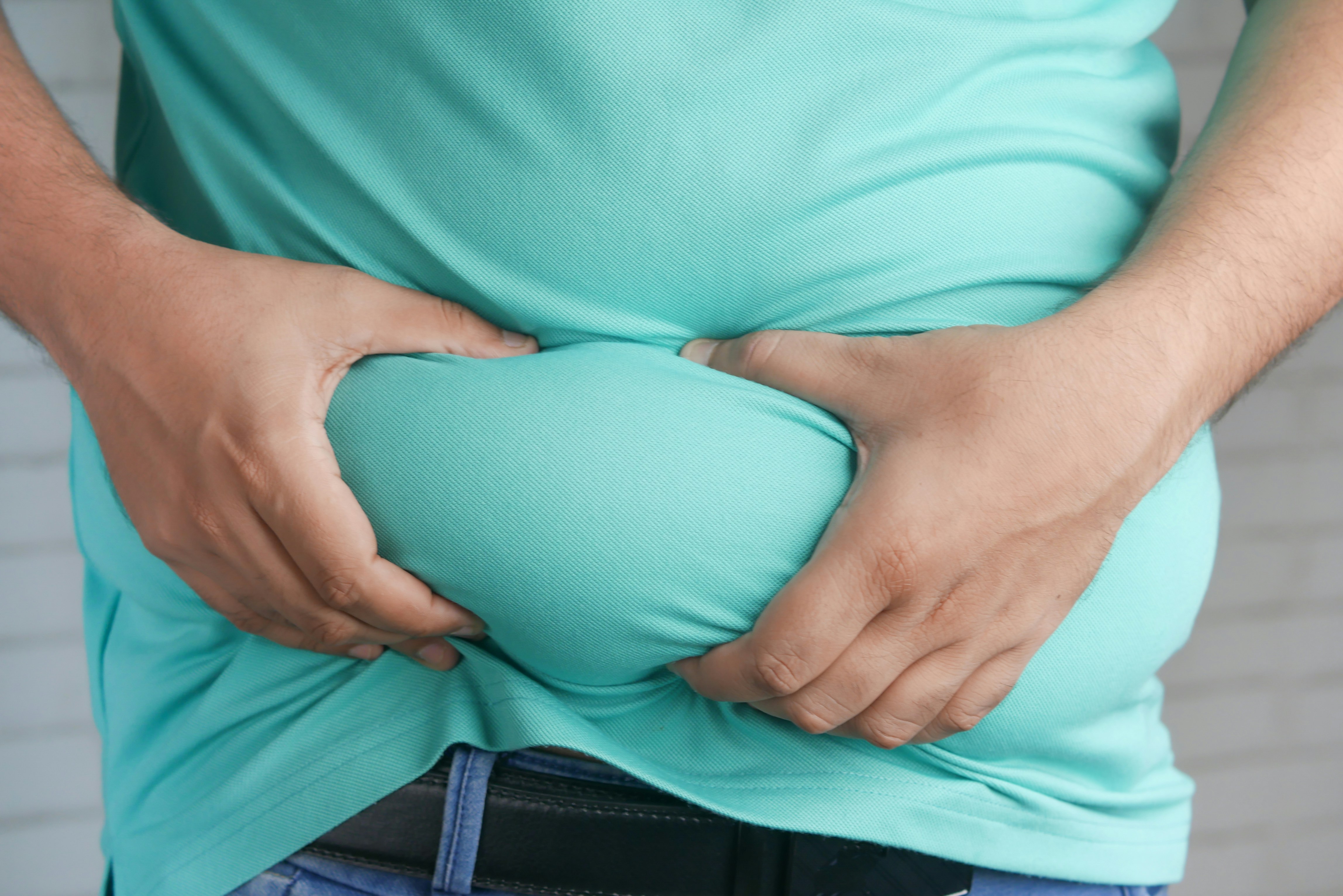
The Link Between Estrogen and Body Fat Distribution
Estrogen is a crucial hormone in the female body, influencing various physiological processes including body fat distribution. During the reproductive years, estrogen helps to regulate where fat is stored, typically promoting fat deposition in areas such as the hips and thighs, which is often associated with a pear-shaped body type. However, as women enter menopause, the levels of estrogen significantly decline, leading to notable changes in body fat distribution.
This reduction in estrogen not only alters fat distribution, resulting in a tendency for weight gain around the abdomen, but it also triggers other hormonal balance shifts. The decrease in estrogen is associated with an increase in other hormones, such as cortisol, which can negatively affect metabolism and increase appetite, leading to further fat accumulation. Consequently, many women find themselves grappling with what is commonly referred to as menopause belly fat.
The implications of estrogen loss go beyond mere weight gain. Physiologically, the body’s metabolism slows down, making it more challenging to maintain a healthy weight. Additionally, the hormonal changes can lead to increased fat storage and decreased fat breakdown. Therefore, understanding the role of estrogen in body fat distribution is essential for anyone seeking to lose menopause belly fat.
Moreover, the accumulation of abdominal fat poses significant health risks, including an increased risk of cardiovascular diseases and diabetes. It is crucial for women undergoing menopause to recognize these changes and to adopt a comprehensive approach to manage their weight effectively, focusing on nutrition, exercise, and lifestyle modifications to mitigate the impact of estrogen loss.
Why Menopause Leads to Belly Fat Accumulation
During menopause, many women notice an increase in abdominal fat, commonly referred to as menopause belly fat. This phenomenon can be attributed to several interrelated factors. One of the most significant contributors is the decline in estrogen levels that occurs during this phase of life. Estrogen plays a crucial role in regulating fat distribution in the body, particularly in women. As estrogen levels decrease, fat tends to accumulate in the abdominal area rather than being distributed more evenly across the hips and thighs, leading to an increase in waist circumference.
Additionally, age is a vital factor that influences body composition. As women age, muscle mass naturally declines, slowing down metabolism and making it easier to gain weight. This metabolic slowdown, combined with hormonal changes, can contribute significantly to the accumulation of belly fat during menopause. Genetic predisposition also plays a role, as some women may be more predisposed to store fat in the abdominal region due to their genetic makeup.
Furthermore, lifestyle changes that often accompany menopause, including decreased physical activity, can exacerbate weight gain. Many women might find it challenging to maintain their previous levels of exercise due to various factors such as joint pain or fatigue. Consequently, a combination of hormonal, genetic, and lifestyle factors creates an environment where losing menopause belly fat becomes increasingly difficult.
The health implications of excess abdominal fat are concerning as well. Carrying extra weight in the abdominal region is linked to various health risks, including heart disease, type 2 diabetes, and hypertension. These conditions can have serious consequences if not managed properly, making it essential for women to understand the reasons behind menopause-related weight gain and the strategies available for managing it effectively.
As women transition through menopause, they often find it challenging to manage excess abdominal fat, largely attributed to the decline in estrogen levels. However, adopting effective strategies can help combat menopause belly fat and promote overall well-being. A holistic approach comprising dietary adjustments, regular physical activity, and lifestyle modifications plays a crucial role in managing the hormonal fluctuations that lead to increased abdominal fat.
A balanced diet is essential in this endeavor. Women should focus on incorporating whole foods rich in nutrients while minimizing processed items. Emphasizing fruits, vegetables, whole grains, and lean proteins can help regulate blood sugar levels and maintain a healthy weight. Additionally, healthy fats, found in avocados, nuts, and olive oil, can also support hormonal balance. Particularly, foods high in phytoestrogens, such as flaxseeds, lentils, and soy products, may provide additional benefits by mimicking estrogen in the body.
Exercise is another vital component in the fight against menopause belly fat. A combination of aerobic activities and strength training is particularly effective. Engaging in cardiovascular exercises like walking, swimming, or cycling can help burn calories, while strength training enhances muscle mass, which in turn boosts metabolism. It is advisable for women to aim for at least150 minutes of moderate-intensity exercise weekly, along with strength-training sessions on two or more days per week.
In addition to diet and exercise, lifestyle modifications are crucial in managing menopause-related abdominal fat. Prioritizing stress management through techniques such as yoga, meditation, or deep-breathing exercises can mitigate the stress-induced weight gain often seen during this period. Establishing a regular sleep pattern allows for improved recovery and hormonal regulation. By implementing these comprehensive strategies, women can effectively address and reduce menopause belly fat, fostering a healthier transition through this life stage.
Introducing the Menopause Belly Reset Program
The Menopause Belly Reset Program is a comprehensive eBook designed specifically for women experiencing the challenges of menopause, particularly the accumulation of abdominal fat often linked to estrogen loss. This program aims to empower women with the knowledge and tools needed to effectively manage and reduce menopause-related belly fat, providing a supportive path toward achieving a healthier lifestyle.
At the core of the Menopause Belly Reset are strategies that tackle the underlying issues causing weight gain during this transitional phase of life. The program incorporates dietary adjustments, tailored physical activity, and mindfulness techniques that promote overall wellness. It not only addresses the physical aspects of losing menopause belly fat but also offers insights into the emotional and psychological journey women may undertake during this period.
Readers will find a variety of practical resources, including meal plans, exercise regimens, and stress-reduction methods that collectively aim to optimize health and facilitate weight loss. The unique blend of scientific research and holistic practices is designed to resonate with women from diverse backgrounds, ensuring that the program is accessible and actionable.
Moreover, the eBook includes personal testimonials and before-and-after stories from women who have successfully navigated their journey with the help of this program. These narratives serve as motivation, showcasing that significant changes are achievable. The community aspect is also a vital component, fostering connections among participants who share similar experiences in managing menopause-related challenges.
As women embark on their journey with the Menopause Belly Reset Program, they are invited to take proactive steps toward their health and well-being. The combination of personalized strategies tailored to combat hormonal changes and the encouragement provided by fellow program participants makes this resource a valuable ally in the effort to lose menopause belly fat.