Cortisol and Belly Fat: How Stress Stops Weight Loss After 40
Understanding Cortisol and Its Role in Weight Gain Cortisol is often referred to as the body’s primary stress hormone, playing a crucial role in the physiological response to stress. Produced by the adrenal glands, cortisol regulates various functions, including metabolism, immune response, and blood sugar levels. Under normal circumstances, cortisol levels fluctuate throughout the day,…

Understanding Cortisol and Its Role in Weight Gain
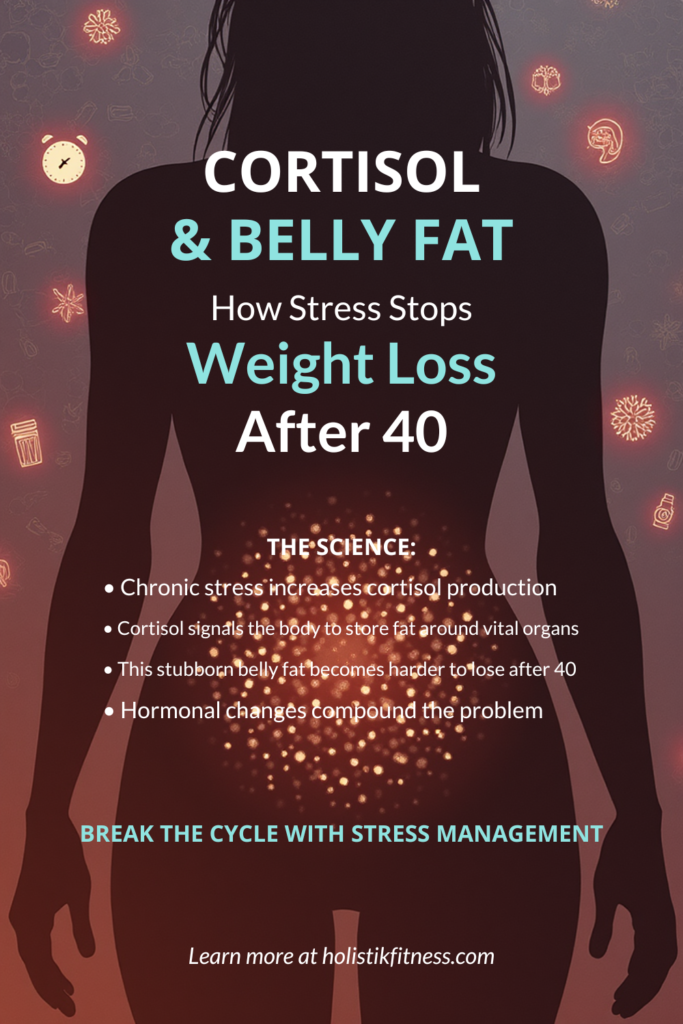
Cortisol is often referred to as the body’s primary stress hormone, playing a crucial role in the physiological response to stress. Produced by the adrenal glands, cortisol regulates various functions, including metabolism, immune response, and blood sugar levels. Under normal circumstances, cortisol levels fluctuate throughout the day, peaking in the early morning and gradually declining as the day progresses. However, when an individual experiences chronic stress, cortisol levels can remain elevated for extended periods, leading to significant physiological changes. Weight gain inclusive.
Inevitably, these changes can have a profound impact on weight, particularly in individuals over the age of 40. Research indicates that high cortisol levels are closely associated with increased appetite and cravings for high-calorie foods, especially those rich in sugars and fats. This effect can lead to overeating, making weight management increasingly difficult. Additionally, cortisol influences how the body stores fat, with a distinct proclivity for accumulating fat in the abdominal area, thus presenting an increased risk of developing belly fat.
The mechanisms through which cortisol contributes to weight gain are complex. Elevated cortisol levels can interfere with insulin regulation, impairing the body’s ability to utilize glucose effectively. This results in heightened fat storage, as excess glucose is converted to fat when insulin responses are disrupted. Furthermore, cortisol has been shown to stimulate the release of other hormones that can increase appetite and promote cravings for unhealthy food options.
Understanding the connection between cortisol and belly fat is vital for individuals after 40 years of age, as stress management becomes increasingly important for maintaining a healthy weight. By recognizing how stress drives the production of cortisol and its consequent effects on metabolism, individuals can better strategize their weight loss efforts and adopt more effective lifestyle changes.
The Connection Between Stress, Age, and Belly Fat

As individuals age, particularly after the age of 40, the connection between stress and the accumulation of belly fat becomes increasingly complex. One significant factor in this relationship is cortisol, often referred to as the stress hormone. Elevated levels of cortisol due to chronic stress can lead to an increase in visceral fat, which is the fat that surrounds internal organs, contributing to the overall increase in belly fat.
Moreover, hormonal changes that occur during menopause can further complicate weight management. Women undergoing menopause experience fluctuations in estrogen levels, which can influence how the body stores fat. These hormonal changes, combined with elevated cortisol levels, can create a perfect storm for weight gain, particularly in the abdominal area.
Age-related factors also play a role in how stress impacts weight. Metabolism tends to slow down with age, making it more challenging to maintain a healthy weight. Additionally, lifestyle factors such as decreased physical activity, poor diet, and inadequate sleep can compound the effects of stress. All these elements require attention as they can interfere with weight loss efforts.
For individuals over 40, adopting strategies to manage stress is crucial in combating the physiological impacts that contribute to weight gain. This may include regular physical activity, dietary changes, and prioritizing sleep hygiene. By making these adjustments, it may be possible to mitigate the effects of cortisol on belly fat and create a more conducive environment for effective weight loss.
Strategies to Calm Stress and Reduce Cortisol Levels
Managing stress is crucial for maintaining healthy cortisol levels, which can significantly impact weight management, particularly in individuals over 40. Several effective strategies exist to help mitigate stress and, as a result, reduce belly fat associated with elevated cortisol levels.
First, practicing mindfulness is a powerful tool. Mindfulness involves focusing on the present moment and cultivating an awareness of one’s thoughts and feelings without judgment. Techniques such as deep breathing and meditation can lower cortisol levels, promoting relaxation and paving the way for healthier eating habits.
Engaging in physical activity is another practical approach. Regular exercise not only aids in controlling weight but also helps balance cortisol. Activities like walking, swimming, or cycling can effectively release endorphins, which elevate mood and help combat stress. Additionally, strength training can build muscle, contributing to an increase in metabolism.
Maintaining a healthy diet is equally important. Foods rich in omega-3 fatty acids, antioxidants, and fiber can reduce inflammation and support overall hormonal balance. Moreover, avoiding excessive caffeine and sugary snacks can help prevent spikes in cortisol, thus supporting weight loss efforts.
Sleep hygiene cannot be overlooked. Quality sleep is vital for hormonal regulation, and insufficient sleep can elevate cortisol levels. Creating a sleep schedule, establishing a calming bedtime routine, and minimizing screen time before bed can lead to restorative sleep and better stress management.
Lastly, relaxation techniques such as yoga and guided meditation can offer significant benefits. These practices not only help reduce cortisol but also promote mindfulness and body awareness, essential factors in managing belly fat. Incorporating these strategies can lead to a holistic approach in addressing stress and its impact on weight loss, particularly after the age of 40.
Introducing the ‘Menopause Belly Reset’ eBook
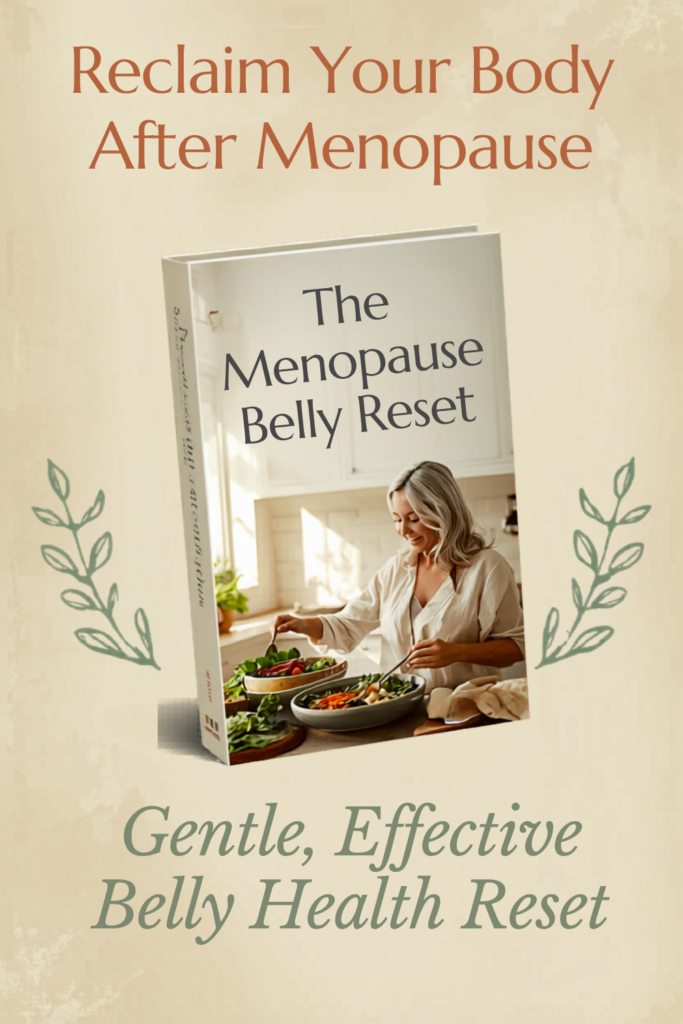
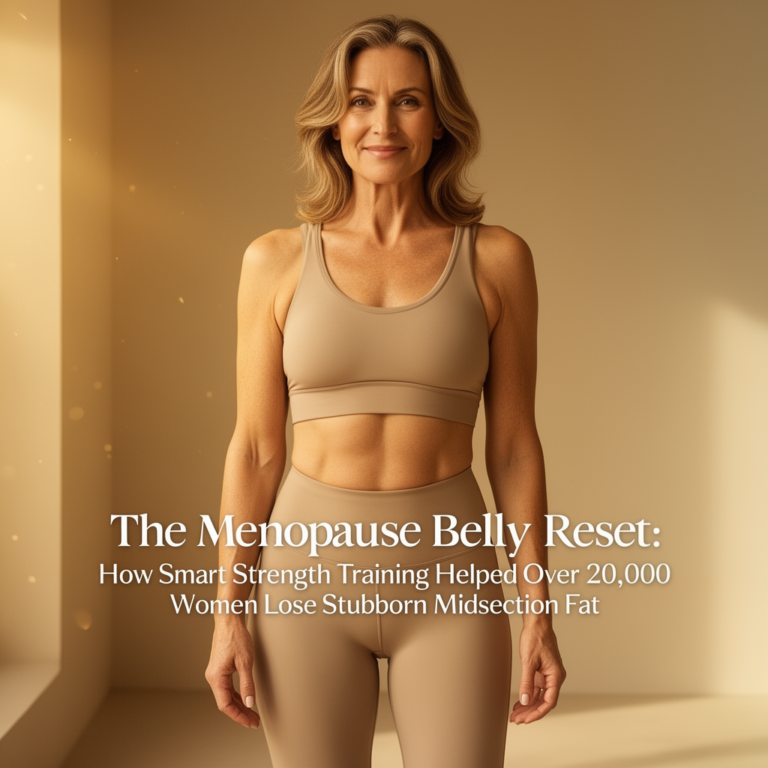
The journey through menopause can bring about numerous physiological changes, among which weight gain, particularly around the belly area, is a common concern. Many individuals experience increased levels of cortisol, often referred to as the stress hormone, which can complicate weight loss efforts and exacerbate the prevalence of belly fat. Recognizing this challenge, the eBook titled Menopause Belly Reset emerges as a comprehensive guide tailored to assist individuals in understanding and managing menopause-related weight gain effectively.
The Menopause Belly Reset eBook emphasizes a holistic approach to health, focusing on various aspects of well-being that contribute to weight management, especially for those over 40. It provides a wealth of information designed to educate readers about the impact of hormonal changes on body weight and the significance of addressing stress management, dietary habits, and physical activity. This resource includes tailored dietary plans that cater specifically to the needs of those experiencing menopause, promoting nutritional choices that can help mitigate cortisol levels and reduce unwanted belly fat.
In addition to dietary guidance, the eBook offers structured exercise routines that are manageable yet effective, allowing readers to incorporate physical activity into their daily lives without overwhelming strain. Importantly, the eBook includes stress management techniques, acknowledging that elevated cortisol due to stress can hinder weight loss progress. By implementing these techniques, individuals can not only bolster their mental well-being but also enhance their ability to lose weight during and after menopause.
Ultimately, the Menopause Belly Reset serves as a pivotal tool for those seeking to navigate the challenges of menopause comprehensively. By addressing the intricate relationship between cortisol and belly fat, this eBook paves the way for a healthier, more balanced approach to weight loss and overall wellness during this significant life transition.