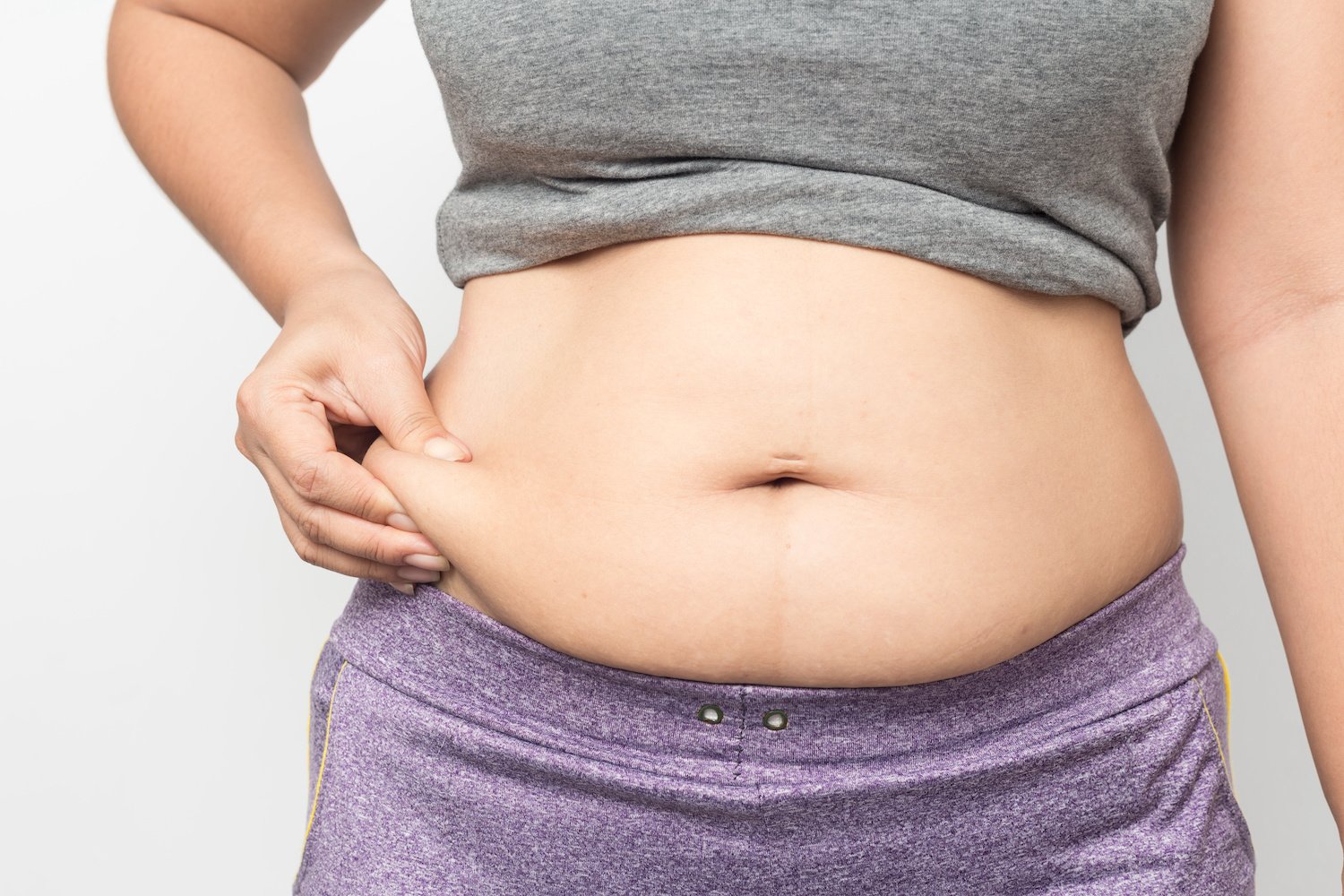
Understanding Stubborn Belly Fat After 40: The Menopause Connection
As individuals transition into their 40s and beyond, the body undergoes several biological changes that can significantly impact overall fat distribution, particularly in the abdominal region. One of the most notable changes during this period is the decline in estrogen levels, a hormone that plays a crucial role in regulating fat storage and metabolism. Estrogen…
As individuals transition into their 40s and beyond, the body undergoes several biological changes that can significantly impact overall fat distribution, particularly in the abdominal region. One of the most notable changes during this period is the decline in estrogen levels, a hormone that plays a crucial role in regulating fat storage and metabolism. Estrogen deficiency is a hallmark of menopause, which can lead to increased fat accumulation, especially in the belly area.
With declining estrogen levels, the body tends to shift its fat storage pattern from the hips and thighs to the abdomen. This change not only contributes to a more pronounced belly fat but also poses various health risks, including cardiovascular diseases and metabolic syndrome. Furthermore, hormonal fluctuations can affect how the body processes calories and utilizes fat, further complicating weight management efforts during this critical life stage.
Understanding these biological changes is essential for those experiencing stubborn belly fat after 40. It is important to recognize that the accumulation of fat is not merely a consequence of lifestyle choices but is also influenced by hormonal shifts. This knowledge allows individuals to adopt more effective strategies to combat belly fat, including targeted physical activity and dietary modifications tailored to hormonal health.
Moreover, factors like stress and poor sleep, common during this life stage, can exacerbate hormonal imbalances. Elevated cortisol levels, often referred to as the stress hormone, can further promote belly fat accumulation. Therefore, addressing not only dietary habits and exercise routines but also stress management and sleep quality is imperative for mitigating the effects of hormonal changes.
Factors That Contribute to Stubborn Belly Fat
As individuals progress beyond the age of 40, a combination of biological and lifestyle factors can significantly influence the development of stubborn belly fat. One primary factor is the shift in metabolism that often accompanies aging. Metabolic rates tend to decline, meaning that the body burns fewer calories at rest. This change can lead to the accumulation of belly fat, particularly if dietary habits remain unchanged.
Decreased physical activity is another considerable factor contributing to weight gain around the midsection. Many individuals find it challenging to maintain their previous levels of exercise as life responsibilities increase and energy levels fluctuate. A sedentary lifestyle can exacerbate the storage of visceral fat, which is the fat that accumulates in the abdominal cavity and is linked to various health issues.
Dietary habits also play a crucial role. As people reach middle age, cravings for high-sugar and high-fat foods tend to increase, coupled with a decrease in nutrient-rich food consumption. These poor dietary choices can result in an excess caloric intake, promoting the formation of belly fat. Furthermore, stress levels often rise due to personal and professional commitments, leading to increased cortisol production. Cortisol is known to promote fat storage, particularly in the abdominal region.
Another important element that should not be overlooked is the role of sleep. Poor sleep patterns can disrupt hormonal balances, including hormones that regulate hunger and fat storage. Lack of sleep often leads to increased appetite and cravings for unhealthy foods, further complicating weight management efforts. Thus, understanding the factors that contribute to the accumulation of belly fat after 40 is critical for implementing effective strategies to combat this issue.
Effective Strategies for Waistline Management
Addressing stubborn belly fat after the age of 40 can be a challenging task, particularly for those experiencing hormonal changes due to menopause. However, by implementing effective strategies that encompass dietary improvements, exercise routines, and stress reduction, one can foster a healthy waistline and improve overall well-being.
Diet plays a crucial role in managing belly fat. Emphasizing whole, nutrient-dense foods such as fruits, vegetables, lean proteins, and whole grains can significantly impact weight management. It is beneficial to reduce the intake of processed foods high in sugar and unhealthy fats, as these contribute to fat accumulation around the waist. Additionally, incorporating foods rich in fiber can promote fullness, thereby aiding in reducing overall caloric intake. Staying hydrated is equally essential, as adequate water consumption can help improve metabolism and support digestion.
In conjunction with dietary changes, regular physical activity is pivotal in combating belly fat. A balanced exercise routine that includes both aerobic exercises, such as walking, jogging, or cycling, and strength-training activities, such as weight lifting or resistance bands, can enhance muscle mass and boost metabolism. Aim for at least 150 minutes of moderate exercise each week to help manage weight effectively.
Furthermore, effective stress management is vital. Elevated stress levels can lead to the production of cortisol, a hormone that is linked to increased belly fat. Incorporating relaxation techniques such as yoga, meditation, or mindfulness practices can help mitigate stress responses. Ensuring adequate sleep is also essential, as poor sleep can negatively affect weight loss efforts.
In conclusion, combating stubborn belly fat after 40 is achievable through a holistic approach that encompasses balanced nutrition, regular exercise, and strategic stress management. By integrating these strategies into daily life, individuals can work towards maintaining a healthier waistline and enhancing their overall quality of life.
Introducing the Menopause Belly Reset eBook
For women over 40, grappling with stubborn belly fat can feel particularly challenging, especially during the menopausal transition. Recognizing this unique struggle, the Menopause Belly Reset eBook emerges as a valuable resource aimed at helping women navigate this critical phase of life while addressing the issue of excess abdominal fat effectively. This comprehensive guide offers a holistic approach tailored specifically for women who are experiencing the effects of menopause on their bodies.
The eBook features a variety of carefully curated meal plans that focus on nutrient-dense foods, which can aid in combating belly fat while also promoting overall health. These meal plans are designed to be easy to follow and practical, ensuring that readers can seamlessly integrate them into their daily routines. In addition to nutrition, the eBook provides workout guides that cater to various fitness levels. These guides include exercises specifically chosen to strengthen core muscles and boost metabolism, helping women reshape their waistlines.
Moreover, the Menopause Belly Reset eBook encapsulates expert advice from health professionals who understand the complexities of hormonal changes and their impacts on body fat distribution. This insight not only empowers readers to make informed decisions about their diets and exercise regimens but also fosters a sense of community among women facing similar challenges. By incorporating strategies for mental well-being, the resource supports a balanced approach to health, addressing both physical and emotional aspects associated with managing belly fat during menopause.
In conclusion, the Menopause Belly Reset eBook stands out as a profound tool for women over 40, offering them the guidance they need to tackle stubborn belly fat effectively while nurturing their overall well-being. By adopting the strategies within this eBook, women can embark on a transformative journey toward a healthier lifestyle, rediscovering their confidence and vitality.