9 Foods That Help Support Hormonal Balance
Understanding Hormonal Balance Hormonal balance refers to the optimal functioning of hormones in the body, which are essential chemical messengers that regulate a multitude of physiological processes. These hormones, including insulin, cortisol, estrogen, testosterone, and thyroid hormones, play critical roles in metabolism, mood regulation, and reproductive health. A harmonious interplay among these hormones is crucial…

Understanding Hormonal Balance
Hormonal balance refers to the optimal functioning of hormones in the body, which are essential chemical messengers that regulate a multitude of physiological processes. These hormones, including insulin, cortisol, estrogen, testosterone, and thyroid hormones, play critical roles in metabolism, mood regulation, and reproductive health. A harmonious interplay among these hormones is crucial for maintaining overall well-being, as they ensure that the body’s systems operate efficiently.
When hormonal balance is disrupted, it can lead to a range of health issues. For instance, an imbalance in insulin levels can contribute to weight gain and the development of diabetes, while fluctuations in cortisol may result in increased stress and anxiety. Additionally, imbalances in sex hormones, such as estrogen and testosterone, can affect mood, energy levels, and reproductive functions, potentially leading to conditions such as polycystic ovary syndrome (PCOS) and infertility.
Supporting hormonal health through diet is vital for restoring and maintaining hormonal balance. Certain foods can have a profound impact on hormone levels, either by providing essential nutrients that support hormone production or by stabilizing blood sugar levels that regulate insulin. Incorporating a diverse range of nutrient-dense foods into one’s diet can help the body achieve optimal hormonal health. This includes foods rich in omega-3 fatty acids, fiber, and antioxidants, which work synergistically to reduce inflammation, support metabolic function, and ensure the body produces hormones in appropriate quantities. Therefore, understanding the necessity of hormonal balance and how dietary choices impact it is a foundational step toward achieving long-term health and wellness.
The Link Between Food and Hormones
The relationship between food and hormones is complex yet crucial for understanding overall health. Various foods can significantly impact hormone levels in the body, either supporting or disrupting the delicate balance necessary for optimal functioning. Food, often referred to as medicine, plays an instrumental role in maintaining hormone equilibrium through its rich array of nutrients, vitamins, and minerals.
Scientific studies have increasingly shown that specific dietary choices can facilitate the regulation of hormones. For example, foods high in healthy fats, such as avocados and nuts, provide essential fatty acids that are vital for the production and balance of hormones. Omega-3 fatty acids, particularly found in fatty fish like salmon, have been linked to improved insulin sensitivity, which directly influences glucose levels and hormonal response in the body.
Moreover, the inclusion of fiber-rich foods, like whole grains and leafy greens, can enhance the metabolism of hormones. Fiber aids in the detoxification process, helping to eliminate excess hormones and promoting a healthy gut microbiome, which is intimately connected to the endocrine system. Furthermore, antioxidants present in fruits and vegetables have been shown to combat oxidative stress, which can disrupt hormonal balance.
In addition to micro-nutrients, the psychological aspects of eating are significant; meals that are culturally satisfying or that foster a sense of community can positively impact stress hormones such as cortisol. The act of sharing food, therefore, not only nourishes but also contributes to emotional well-being, indirectly fostering hormone balance.
In conclusion, the food choices we make can greatly affect our hormone levels. Understanding the link between diet and hormonal health can empower individuals to take charge of their well-being through informed dietary decisions.
Top 9 Foods for Hormonal Balance
Maintaining optimal hormone levels is crucial for overall health, and incorporating specific foods into your diet can significantly support hormone balance. Here are nine foods known for their beneficial effects on hormonal health:
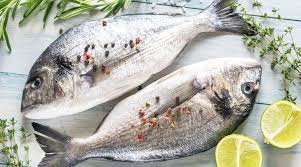
1. Fatty Fish: Rich in omega-3 fatty acids, fatty fish such as salmon and mackerel play a vital role in hormone production and regulation. Omega-3s help reduce inflammation and may alleviate hormonal imbalances. Aim to include fatty fish in your meals at least twice a week for maximum benefit.
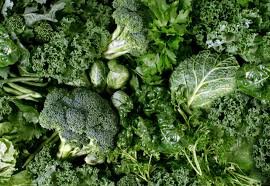
2. Leafy Greens: Dark leafy vegetables like kale and spinach are packed with essential vitamins and minerals that help regulate estrogen levels. The high fiber content in these greens aids digestion and helps maintain healthy hormone levels. Add them to smoothies, salads, or as a cooked vegetable side.
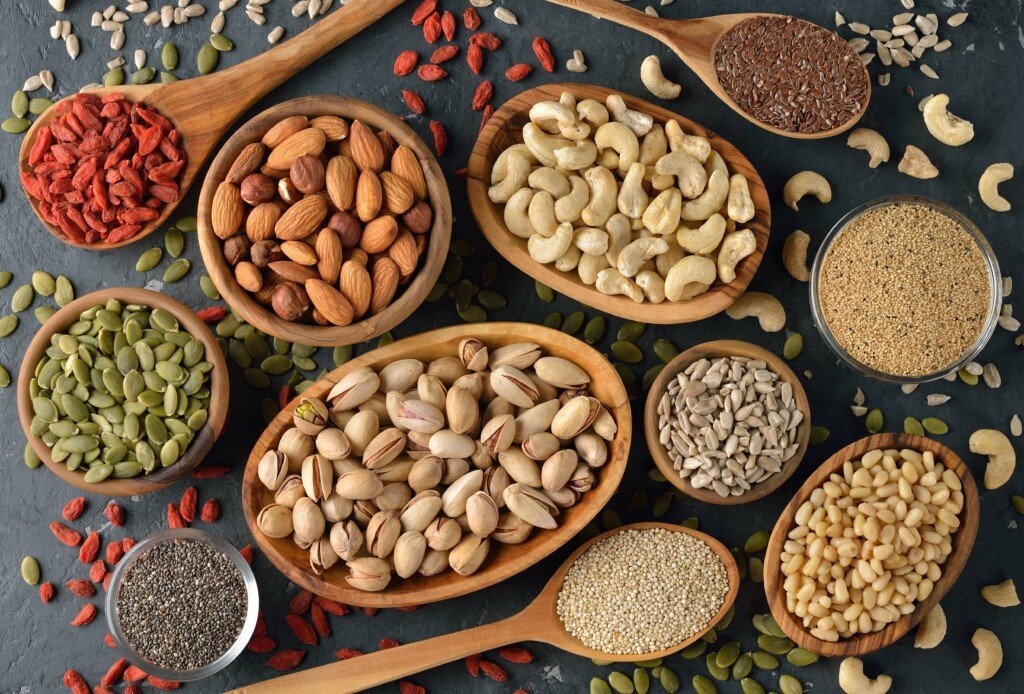
3. Nuts and Seeds: Walnuts, almonds, flaxseeds, and pumpkin seeds are excellent sources of healthy fats and contain phytoestrogens that can support hormone balance. They are easy to incorporate into your diet by sprinkling on oatmeal, salads, or enjoying them as snacks.
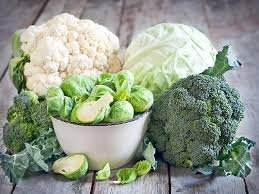
4. Cruciferous Vegetables: Foods like broccoli, cauliflower, and Brussels sprouts contain compounds that support liver detoxification of excess hormones, particularly estrogen. Including these veggies in your meals promotes a healthy hormonal balance.
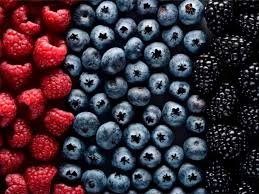
5. Berries: Berries, such as blueberries and raspberries, are rich in antioxidants and can help reduce oxidative stress, which may negatively impact hormone balance. They are delicious additions to breakfast cereals, smoothies, or eaten fresh.
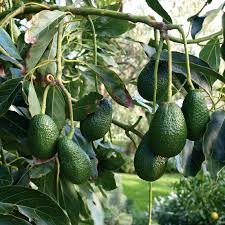
6. Avocado: This nutrient-dense fruit provides healthy monounsaturated fats and fiber, both vital for hormone production and balance. Incorporate avocado into salads, sandwiches, or enjoy it as guacamole.
7. Legumes: Beans, lentils, and chickpeas are rich in protein and fiber, contributing to stable blood sugar levels and maintaining healthy hormone levels. These can be used in soups, stews, or salads for a nutrient-packed meal.
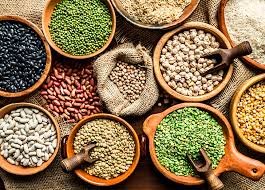
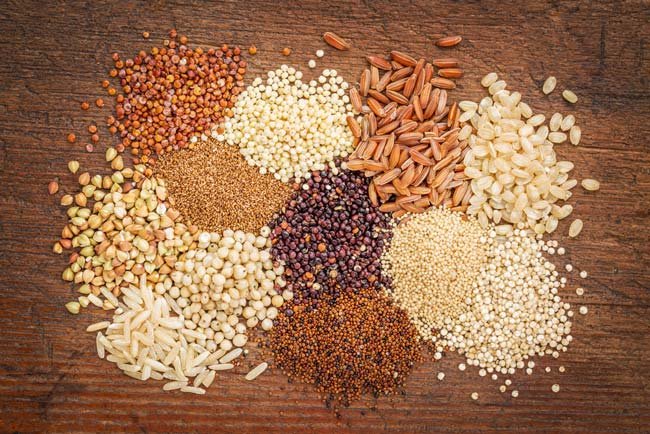
8. Whole Grains: Whole grains like quinoa, brown rice, and oats are high in fiber, which aids in hormone metabolism. They also provide sustained energy levels and can reduce insulin resistance, further supporting hormone balance.
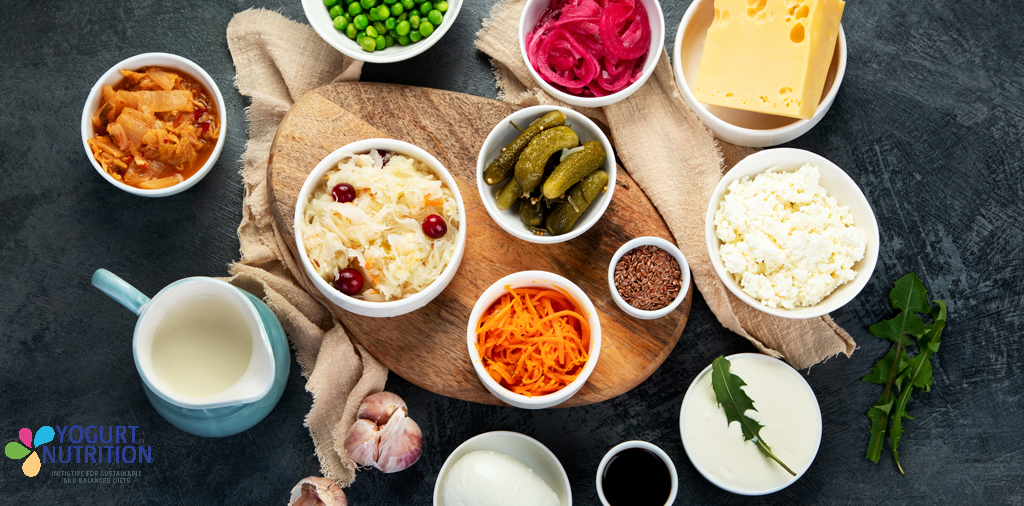
9. Fermented Foods: Foods such as yogurt, kefir, and sauerkraut are rich in probiotics, which promote gut health. A healthy gut microbiome can influence hormone production and balance. Incorporate these foods into meals or enjoy as snacks.
By including these nine foods in your diet, you can support optimal hormone balance and contribute to your overall health and well-being.
Incorporating Hormonal Balance Foods into Your Keto Lifestyle
Integrating foods that promote hormonal balance into a ketogenic lifestyle can significantly enhance overall health and well-being. The ketogenic diet, characterized by high fat and low carbohydrate intake, aligns well with many of the foods identified for hormonal support. For optimal results, it is essential to carefully plan meals that sustain both keto principles and hormonal harmony.
Firstly, consider incorporating healthy fats such as avocados, which are rich in monounsaturated fats and fiber. They not only aid in achieving nutritional ketosis but also assist in maintaining stable hormone levels. Pair avocado slices with a sprinkle of sea salt and lemon juice for a refreshing side dish that complements any meal.
In addition, nuts and seeds can be easily integrated into snack options or sprinkled on salads. Almonds and flaxseeds, for instance, are excellent sources of omega-3 fatty acids, which are integral for hormone balance. A handful of nuts can serve as a satisfying afternoon snack while promoting hormonal health.
Protein sources, such as eggs and grass-fed meats, are staples in a keto diet and contribute positively to hormonal regulation. For breakfast, consider a spinach and feta omelet, rich in protein and nutrients that help stabilize hormone levels throughout the day.
When tracking macronutrients, utilize apps or a food diary to monitor your daily intake while ensuring that your meals prioritize foods beneficial for hormonal balance. Adjust portion sizes as needed, particularly when incorporating complex carbohydrates like leafy greens, which support your keto goals without overstepping carbohydrate limits.
Experimenting with keto-friendly recipes can also be a rewarding endeavor. For example, creating a dish that incorporates fatty fish, such as salmon, alongside a side of sautéed vegetables can yield a fulfilling meal that supports both your keto journey and hormonal balance. Remember, adaptability in your meal planning can make a significant impact on your success.