The Effects of Sleep Deprivation on Female Metabolism: Unlocking Better Sleep with Derila Ergo Memory Foam Pillow
Understanding Sleep Deprivation Sleep deprivation is characterized by an inadequate quantity or quality of sleep, leading to adverse effects on both physical and mental health. Unlike insomnia, which is a specific sleep disorder that involves difficulty falling or staying asleep, sleep deprivation can stem from a variety of factors including lifestyle choices, stress, medical conditions,…

Understanding Sleep Deprivation
Sleep deprivation is characterized by an inadequate quantity or quality of sleep, leading to adverse effects on both physical and mental health. Unlike insomnia, which is a specific sleep disorder that involves difficulty falling or staying asleep, sleep deprivation can stem from a variety of factors including lifestyle choices, stress, medical conditions, and environmental disruptions. For many women, competing demands from work, family, and social obligations contribute significantly to reduced sleep quality.
The importance of sleep cannot be overstated, as it serves a crucial restorative function. During sleep, the body undergoes vital processes such as tissue repair, hormone regulation, and memory consolidation. For women, sleep plays an integral role in metabolic processes and overall wellbeing. Insufficient sleep has been linked to various metabolic disorders, including weight gain, insulin resistance, and an increased risk of cardiovascular diseases.
Statistics indicate that women often experience higher rates of sleep deprivation compared to their male counterparts. Research suggests that up to 30% of women report difficulties with sleep, exacerbated by hormonal changes throughout life stages, such as during menstruation, pregnancy, and menopause. These fluctuations can significantly impact sleep cycles, leading to increased wakefulness and disrupted rest.
The consequences of sleep deprivation extend beyond fatigue; they can lead to impaired cognitive function, emotional instability, and diminished quality of life. Long-term effects may encompass chronic health issues, making it essential for women to recognize and address patterns of sleep that affect their health. Utilizing tools such as the Derila Ergo memory foam pillow can aid in improving sleep quality, thereby promoting better metabolic health.
How Sleep Deprivation Affects Female Metabolism
Sleep deprivation has profound physiological impacts that can significantly influence female metabolism. Research indicates that inadequate sleep can disrupt the endocrine system, leading to hormonal imbalances that may adversely affect metabolic processes. In women, the repercussions of insufficient sleep are often magnified due to fluctuating hormonal levels throughout the menstrual cycle, pregnancy, and menopause. This hormonal turbulence can exacerbate challenges related to metabolism, making it crucial for females to prioritize adequate sleep.
One of the primary hormones affected by sleep deprivation is cortisol, which is often referred to as the stress hormone. Elevated cortisol levels can lead to increased appetite and cravings for high-calorie foods, which can contribute to weight gain. Furthermore, sleep deprivation has been shown to lower levels of leptin, a hormone responsible for signaling satiety, and increase ghrelin, which stimulates hunger. This hormone imbalance can lead to overeating, resulting in a positive energy balance that promotes weight gain.
In addition to its effects on appetite regulation, sleep deprivation can also decrease energy expenditure. When deprived of sleep, the body’s metabolism tends to slow down in an effort to conserve energy. This reduction in metabolic rate can hinder weight loss efforts and make it more challenging for women to manage their body composition effectively. Furthermore, studies have linked chronic sleep deprivation to an increased risk of developing metabolic disorders such as obesity and insulin resistance.
It is essential for women to acknowledge the unique metabolic challenges they face when sleep deprived. Addressing sleep quality through practical solutions, such as incorporating supportive sleep products like the Derila Ergo memory foam pillow, can play a vital role in enhancing sleep quality. By improving sleep, women may effectively support their metabolic health, reduce the risk of hormonal imbalances, and foster better overall wellbeing.
The Role of Quality Sleep in Metabolism
Quality sleep plays a crucial role in maintaining a healthy metabolism, which is essential for overall well-being, particularly in females. Sleep deprivation can lead to several metabolic disorders, including insulin resistance, increased appetite, and weight gain. Insufficient sleep disrupts the body’s hormonal balance, which affects hunger-regulating hormones such as leptin and ghrelin. When women experience poor sleep, these hormones become imbalanced, leading to increased cravings and appetite, ultimately disrupting the metabolic process.
Indicators of good sleep hygiene include maintaining a consistent sleep schedule, creating a comfortable sleeping environment, and engaging in relaxation techniques prior to bedtime. Quality sleep is not solely defined by the number of hours spent in bed but also by the quality of sleep cycles. Sleep consists of different stages, including REM (Rapid Eye Movement) sleep and deep sleep, both of which are vital for effective metabolic function. REM sleep has been shown to facilitate brain functions and emotional regulation, while deep sleep is essential for cell repair and growth, promoting metabolic efficiency.
Moreover, studies have demonstrated that adequate sleep can improve glucose metabolism and insulin sensitivity, thus supporting healthy metabolic processes. In this context, utilizing tools such as the Derila Ergo Memory Foam Pillow can enhance sleep quality by providing proper neck and spinal alignment, leading to uninterrupted sleep cycles. By improving sleep quality, females can set the stage for better metabolic health, effectively utilizing energy and maintaining a healthy weight.
Emphasizing the significance of quality sleep in metabolic health can empower women to prioritize their rest, ultimately leading to improved metabolic performance and overall health. The connection between sleep and metabolism underscores the need for women to seek effective strategies for better sleep.
Introducing the Derila Ergo Memory Foam Pillow for Improved Sleep Quality
In the quest for enhanced sleep quality, the Derila Ergo Memory Foam Pillow emerges as a promising solution tailored to meet the specific needs of female sleepers. This innovative pillow is designed to support proper spinal alignment, thereby addressing issues commonly associated with sleep deprivation. Many females face challenges in achieving restful sleep, and the right pillow can make a significant difference in this regard.
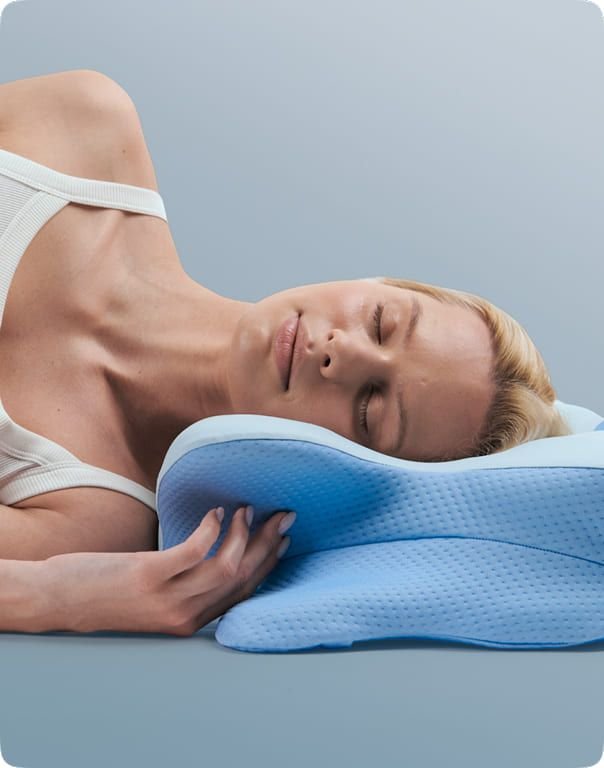
The Derila Ergo Memory Foam Pillow utilizes advanced memory foam technology that adapts to the contours of the head and neck. This feature not only supports better posture during sleep but also reduces the likelihood of waking up with stiffness or discomfort. Proper alignment of the spine is crucial for overall health, and well-aligned sleeping positions can lead to deeper sleep cycles, which are essential for metabolic function.
Furthermore, the unique design of the Derila Ergo pillow promotes airflow, reducing the chances of overheating throughout the night. Maintaining a comfortable temperature is vital for sustaining quality sleep, especially for females who may experience hormonal fluctuations that affect sleep patterns. By retaining less heat and ensuring a cooler sleeping environment, this pillow can foster longer periods of uninterrupted sleep.
Moreover, users often report feeling refreshed and rejuvenated upon waking, a testament to the enhanced restorative qualities of the Derila Ergo Memory Foam Pillow. As sleep quality improves, it can have a favorable impact on female metabolism, fostering a healthier lifestyle. Investing in a quality pillow like the Derila Ergo can be an essential component of overall sleep hygiene and wellness.