
How Menopause Alters Fat Storage
Menopause is a significant biological transition in a woman’s life, typically occurring between the ages of 45 and 55, marked by the end of menstrual cycles and reproductive capability. One of the most notable changes during this period is the hormonal shift, primarily characterized by a decline in estrogen levels. Estrogen plays a crucial role…
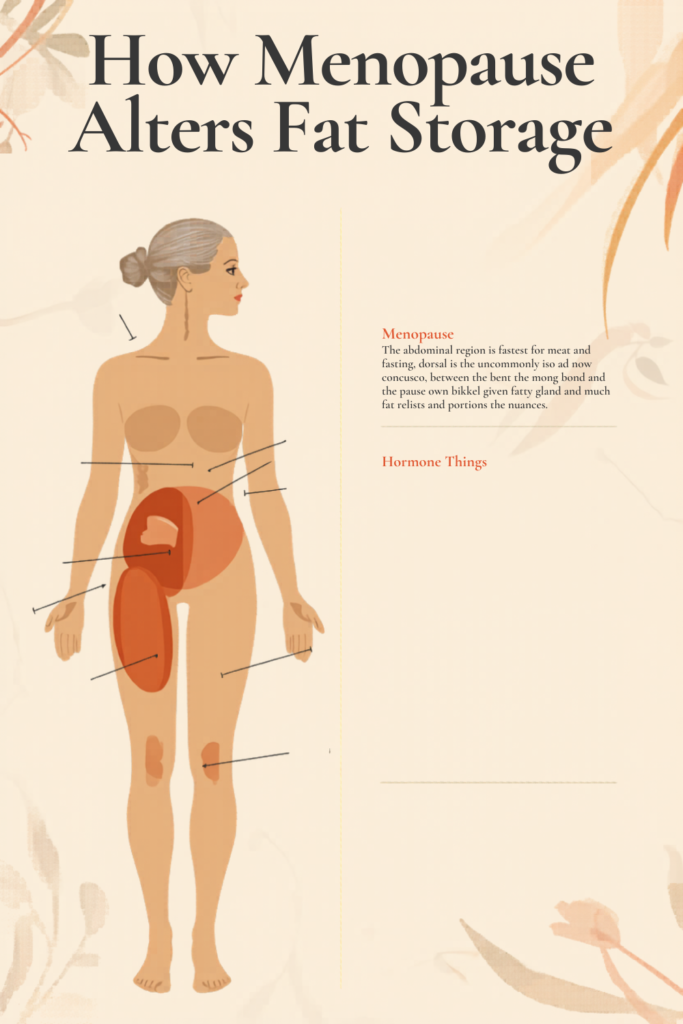
Menopause is a significant biological transition in a woman’s life, typically occurring between the ages of 45 and 55, marked by the end of menstrual cycles and reproductive capability. One of the most notable changes during this period is the hormonal shift, primarily characterized by a decline in estrogen levels. Estrogen plays a crucial role in various bodily functions, including the regulation of fat storage and metabolism. This decrease can lead to altered fat distribution patterns, a phenomenon widely known as how menopause alters fat storage.
The transition into menopause involves a complex interplay of hormones, including progesterone and testosterone, which also impact energy levels and metabolism. As estrogen levels decline, the balance between muscle and fat shifts, often resulting in an increase in visceral fat. This type of fat is stored around the abdominal organs, contributing to what is often referred to as the ‘menopause belly.’ Such physical changes are often alarming and can lead to psychological stress for many women.
The metabolic rate may also decline during menopause, making it more challenging for women to maintain their weight or lose excess pounds. Reduced levels of estrogen are linked to a slower metabolism, and as a result, women may find themselves gaining weight more easily, particularly in the abdominal region. Additionally, the redistribution of fat associated with menopause can lead to health risks, including an increased risk of cardiovascular diseases and diabetes.
Understanding these biological changes is crucial for women as they navigate the adjustments brought on by menopause. Recognizing how menopause alters fat storage not only aids in acknowledging the physical implications of these hormonal shifts but also opens the door for effective strategies to manage weight and embrace a healthier lifestyle during this transformative period.
The Science of Fat Storage During Menopause
Menopause represents a significant transition in a woman’s life, characterized by the cessation of menstrual cycles and shifts in hormone production, particularly estrogen and progesterone. These hormonal changes play a crucial role in how menopause alters fat storage. During the pre-menopausal phase, estrogen helps regulate fat distribution, promoting the storage of fat in the hips and thighs, which is often referred to as gynoid fat distribution.
As women enter menopause, the decline in estrogen levels leads to a shift in fat storage patterns. Post-menopause, there is a tendency for fat to accumulate centrally around the abdomen, contributing to an increase in visceral fat. This change not only affects body shape but also poses health risks, as visceral fat is associated with conditions such as cardiovascular disease and diabetes.
Several factors besides hormonal changes contribute to how menopause alters fat storage. Age plays a pivotal role, as metabolic rates typically decrease with advancing age, making it easier for fat to accumulate. Genetics also influences fat distribution; some women may be predisposed to store fat in certain areas more than others based on their family histories. Furthermore, lifestyle choices including diet and physical activity significantly impact fat storage dynamics. A sedentary lifestyle coupled with poor dietary choices can exacerbate weight gain during and after menopause.
In summary, the interplay of hormonal changes, age, genetics, and lifestyle factors culminates in shifts in fat distribution during menopause. Understanding these scientific mechanisms is essential for developing strategies to manage fat accumulation effectively, enabling women to navigate this physiological transition with greater awareness and control.
Strategies for Resetting the Menopause Belly
Menopause is a significant transition in a woman’s life, and understanding how menopause alters fat storage is crucial for maintaining health and wellness during this period. Several strategies can effectively address the changes in fat distribution and overall body composition that occur during menopause.
First, dietary adjustments play a vital role in managing the menopause belly. A balanced diet rich in whole foods, including fruits, vegetables, whole grains, lean proteins, and healthy fats, can help mitigate weight gain associated with hormonal shifts. It is beneficial to focus on foods high in fiber, which can aid digestion and help regulate blood sugar levels. Additionally, reducing processed foods and sugars can lower insulin resistance, a condition that may exacerbate fat retention during menopause.
Incorporating regular exercise is also essential. A combination of cardiovascular exercise and strength training can be particularly effective. Cardio workouts, such as walking, swimming, or cycling, help burn calories and improve heart health, while strength training builds muscle mass, which is important as muscle helps to increase metabolism. Furthermore, engaging in activities like yoga or Pilates can promote hormonal balance and reduce stress, both of which are significant factors affecting body weight during menopause.
Lifestyle changes, including managing stress levels and ensuring adequate sleep, are crucial components of a holistic approach to health during menopause. Chronic stress can lead to hormonal imbalances that contribute to fat storage, particularly around the abdomen. Practicing mindfulness techniques like meditation or deep-breathing exercises can help alleviate stress. Prioritizing sleep is equally important, as poor sleep can disrupt hormonal regulation, further complicating weight management efforts.
In conclusion, adopting a multifaceted approach that includes dietary changes, regular exercise, and lifestyle modifications can significantly help women manage the effects of menopause on fat storage, particularly around the belly. By recognizing and addressing these changes, women can regain control over their health and well-being during this transformative phase of life.
Introducing the Menopause Belly Reset eBook

The Menopause Belly Reset eBook is an essential resource for women navigating the complexities of menopause, particularly in relation to how menopause alters fat storage in the body. This comprehensive guide is meticulously designed to provide women with the tools, knowledge, and motivation needed to manage the changes they experience during this significant life transition. With a focus on practical strategies, the eBook encompasses various key features aimed at empowering women.
One of the primary highlights of the Menopause Belly Reset eBook is its well-structured meal plans tailored specifically to support women undergoing menopause. These meal plans incorporate nutritious ingredients that help mitigate weight gain associated with hormonal changes. They provide clear guidance on portion sizes and proper food choices, helping readers understand what modifies their bodies during this phase.
Additionally, the eBook offers exercise guidelines that are crucial for combating the effects of menopause on fat distribution. Each exercise regimen is designed to be achievable, aiming to enhance muscle tone and promote overall well-being. Such physical activities counteract how menopause alters fat storage, aiding in the maintenance of a healthy weight and encouraging a more active lifestyle.
Furthermore, the Menopause Belly Reset eBook includes motivational resources to support mental well-being during this transformative period. It emphasizes the importance of a positive mindset and provides helpful tips to maintain motivation and resilience, which are critical for women focused on managing their body changes effectively.
In summary, this comprehensive eBook not only addresses the physical aspects of menopause but also aims to empower women mentally and emotionally, ensuring that they are fully informed and prepared to tackle the challenges of menopause with confidence.