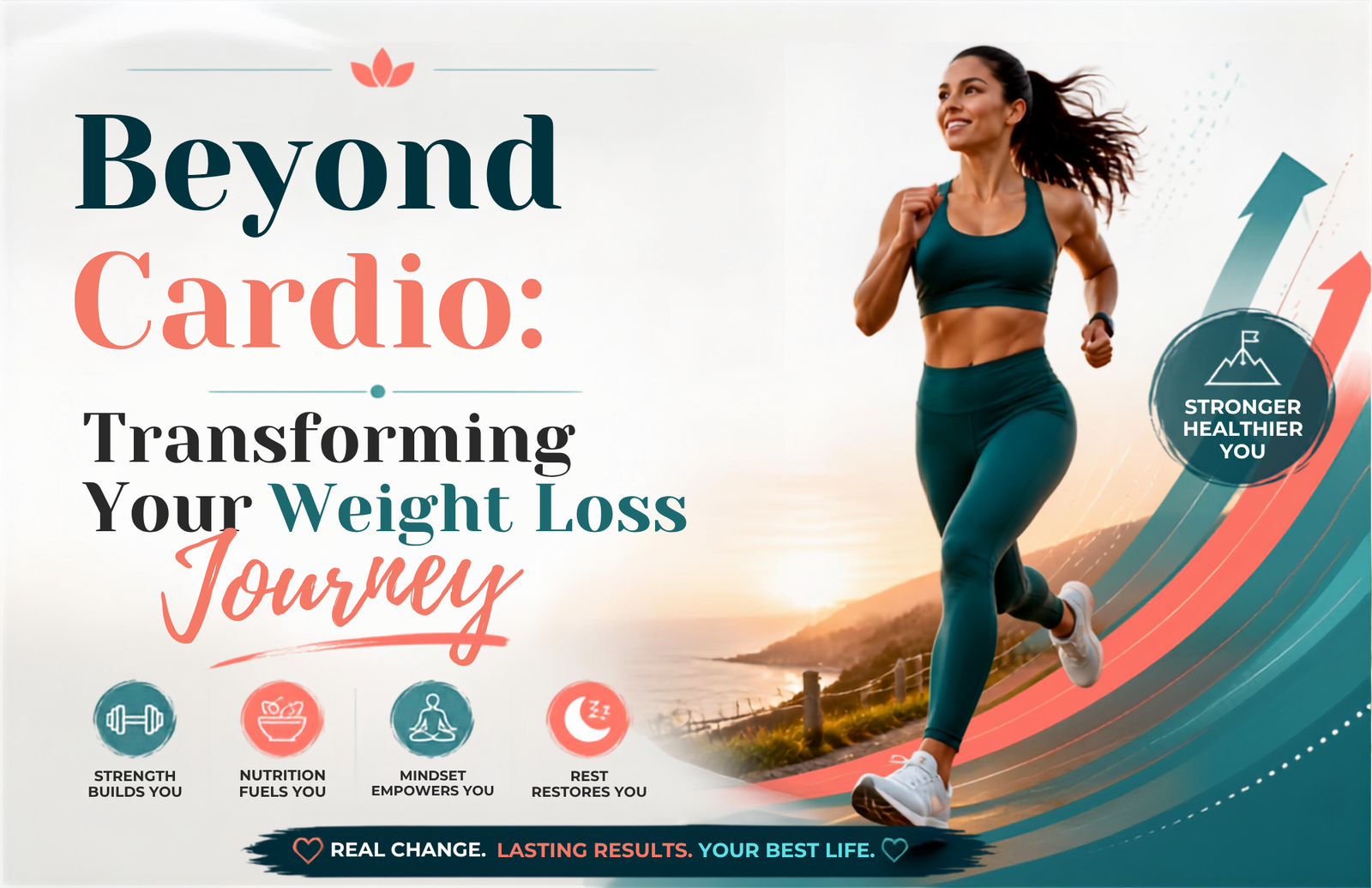
Beyond Cardio: Transforming Your Weight Loss Journey
Understanding the Limitations of Cardio for Weight Loss Cardiovascular exercise, commonly known as cardio, has long been heralded as a primary method for weight loss. While it plays a significant role in burning calories and improving cardiovascular health, relying solely on cardio can present several limitations that may hinder effective weight loss strategies. One of…
Understanding the Limitations of Cardio for Weight Loss
Cardiovascular exercise, commonly known as cardio, has long been heralded as a primary method for weight loss. While it plays a significant role in burning calories and improving cardiovascular health, relying solely on cardio can present several limitations that may hinder effective weight loss strategies.
One of the primary concerns regarding excessive cardio is the potential for metabolic slowdown. Engaging in prolonged and intense cardio sessions can lead to adaptations in the body that ultimately reduce the number of calories burned at rest. When individuals consistently perform high volumes of cardio without adequate nutrition and strength training, their bodies may respond by slowing down metabolism to conserve energy. This metabolic adaptation can make it increasingly difficult to achieve weight loss goals over time.
Additionally, excessive cardiovascular exercise can contribute to decreased muscle mass. Muscle tissue is metabolically active, meaning it burns more calories even at rest. When cardio is prioritized at the expense of strength training, muscle loss can occur, leading to a decrease in overall metabolic rate. This situation creates a cycle where individuals may find themselves losing weight initially, but ultimately plateauing or regaining weight as their muscle mass diminishes.
Moreover, relying heavily on cardio can increase the risk of injury, particularly when engaging in high-impact activities without proper recovery. Injuries can disrupt exercise routines and lead to extended periods of inactivity, further complicating weight loss efforts.
In light of these challenges, it becomes crucial to adopt a more balanced approach to weight loss that incorporates not only cardiovascular exercise but also resistance training and a well-rounded diet. This multifaceted strategy can enhance body composition, support muscle maintenance, and promote sustainable fat loss over time.
The Role of Strength Training in Fat Loss
When embarking on a weight loss journey, many individuals primarily focus on cardiovascular exercises, such as running or cycling. However, incorporating strength training into one’s exercise routine is essential for a balanced and effective fitness regimen. Strength training, which includes activities like weight lifting, resistance bands, or bodyweight exercises, plays a crucial role in fat loss and offers benefits that extend beyond mere calorie burning.
One of the primary advantages of strength training is its ability to build lean muscle mass. Muscles are metabolically active tissues, meaning they require energy, even at rest. This leads to an increase in resting metabolic rate (RMR), which is the number of calories your body burns while at rest. By integrating strength training into your workout routine, you can enhance your RMR, allowing you to burn more calories throughout the day, even when you are not exercising.
Moreover, the impact of strength training on fat loss is not solely about the calories burned during the workout itself. Research has shown that the muscle-building process continues even after the exercise session concludes. This phenomenon, known as excess post-exercise oxygen consumption (EPOC), refers to the increased oxygen intake following intense physical activity, which translates into additional calorie expenditure. As a result, those who engage in regular strength training can experience greater fat loss benefits compared to cardio alone.
Additionally, strength training can improve overall body composition. While many individuals aim to lose weight, the focus should also be on reducing body fat percentage while preserving or increasing muscle mass. A well-structured strength training program can facilitate this by promoting fat loss while simultaneously building and toning muscles, leading to a more defined physique.
In summary, incorporating strength training into your weight loss plan can significantly enhance your body composition and metabolism. This multifaceted approach not only aids in burning calories but also fosters a healthier, stronger physique over time.
The Science Behind Sustainable Fat Loss
Sustainable fat loss is a multifaceted process that extends beyond the realm of traditional cardio workouts. A well-rounded approach encompassing various forms of exercise, nutrition, and holistic lifestyle changes is essential for achieving and maintaining lasting results. Research indicates that incorporating both aerobic and anaerobic exercises leads to a significant enhancement in overall calorie expenditure, which is critical for fat loss.
Aerobic exercises, such as running, cycling, and swimming, are effective for burning calories in the moment, while anaerobic exercises, including weight training and high-intensity interval training (HIIT), play a vital role in increasing muscle mass. Higher muscle mass translates into a greater resting metabolic rate; thus, individuals continue to burn more calories even when at rest. This unique synergy between both exercise types forms the cornerstone of an effective weight loss strategy.
Moreover, nutrition is equally important in this equation. A balanced diet that includes adequate protein intake, healthy fats, and complex carbohydrates supports muscle recovery and growth while ensuring that the body has sufficient energy for workouts. It is crucial to create a caloric deficit in a controlled manner; extreme caloric restriction may lead to muscle loss, which can hinder long-term fat loss efforts.
In addition, lifestyle factors such as sleep quality, stress management, and hydration are often overlooked yet play a pivotal role in fat loss. Poor sleep patterns can disrupt hormonal balance, increasing cravings and decreasing metabolic efficiency. Similarly, chronic stress can lead to hormonal fluctuations that promote fat accumulation, particularly in the abdominal region.
Combining these elements not only maximizes fat loss potential but also promotes overall health and well-being. Embracing a comprehensive approach to exercise and nutrition ultimately fosters a sustainable fat loss journey that empowers individuals to thrive both physically and mentally.
Debunking Common Weight Loss Myths
In today’s society, weight loss myths are pervasive, leading many individuals, especially women, to adopt ineffective strategies that hinder their progress. A prevalent myth is the notion that skipping meals is an effective means of reducing weight. In reality, this approach can slow metabolism and lead to unhealthy eating patterns, ultimately resulting in weight gain rather than loss. It is crucial to understand that a balanced diet with regular meals is essential for sustaining energy and promoting effective weight loss.
Another common misconception is that all calories are equal, which implies that one can lose weight by consuming any low-calorie foods without considering their nutritional value. This is misleading; the quality of calories consumed plays a significant role in overall health and weight management. Prioritizing whole, nutrient-dense foods can provide necessary vitamins and minerals while promoting a healthy lifestyle.
Let us also address the myth surrounding the idea that women should solely focus on cardio for weight loss. While cardiovascular exercises are beneficial for heart health and burning calories, strength training is equally important. Engaging in resistance training not only boosts muscle mass but also enhances metabolic rate, which aids in long-term weight maintenance. Therefore, combining cardio with strength training can create a more effective weight loss strategy.
Lastly, the belief that weight loss is a linear process can be damaging. Fluctuations in weight can occur due to various factors such as hormonal changes, water retention, and muscle gain. Embracing a holistic view of weight management that encompasses emotional and physical health is vital. By debunking these myths and understanding factual strategies, individuals can approach their weight loss journey with knowledge and empowerment, promoting a healthier lifestyle overall.