
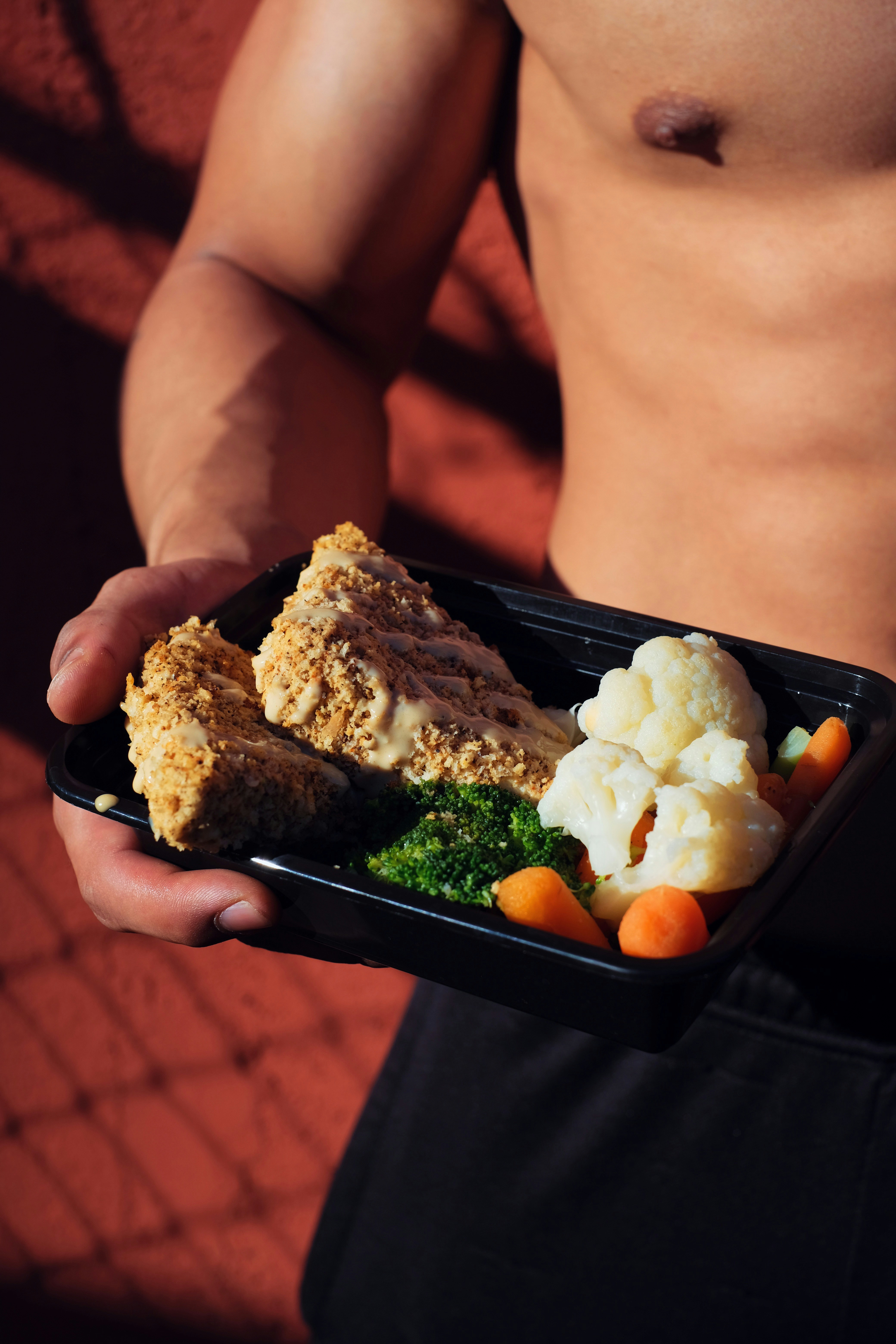
Understanding Calorie Deficit
A calorie deficit occurs when the number of calories consumed is less than the number of calories burned by the body. This fundamental principle of weight loss is essential for individuals seeking to shed excess pounds. When a calorie deficit is achieved, the body compensates by utilizing stored fat for energy, resulting in weight loss over time. This process, known as lipolysis, highlights the importance of balancing calorie intake with physical activity levels to create a sustainable approach to dieting.
It is crucial to understand that not all calories are created equal. Different foods contribute varying levels of macronutrients—carbohydrates, proteins, and fats—to the body. For instance, a calorie derived from a nutrient-dense food, such as an avocado, provides essential fatty acids and fiber, while a calorie from a sugary beverage offers no substantial nutritional value. Therefore, when designing calorie deficit meal plans, individuals should focus not only on the quantity of calories consumed but also on the quality of the foods eaten. This establishes a foundation for a balanced diet that supports overall health.
Another common misconception is that drastic reductions in caloric intake will yield faster results. While severe calorie restrictions may lead to initial weight loss, they are often unsustainable and can cause the body to enter starvation mode, slowing metabolism and hindering fat loss. Instead, a gradual approach to creating a calorie deficit through healthy eating and regular exercise typically promotes long-term success. By understanding the mechanics of a calorie deficit and its relationship with macronutrients, individuals can establish effective calorie deficit meal plans that are easier to adhere to and promote overall well-being. Education in these principles is vital for embarking on a successful weight loss journey.
Benefits of Meal Planning for a Calorie Deficit
Meal planning is a critical strategy for anyone looking to achieve weight loss through a calorie deficit. One of the primary advantages of planning meals is effective portion control. By determining the portion sizes in advance, individuals can avoid overeating and ensure they stay within their daily calorie limits. This mindful approach to eating not only aids in maintaining a calorie deficit but also cultivates awareness about the types of foods consumed.
Additionally, meal planning significantly reduces food waste. By planning meals, individuals purchase only what they need, leading to fewer discarded ingredients and promoting a more sustainable lifestyle. This intentionality also means that during grocery shopping, one can focus on whole, nutritious foods that align with their calorie deficit meal plans, minimizing impulse buys that often derail dietary goals.
Another integral benefit of meal planning is the enhancement in tracking nutrient intake. With a structured meal plan, individuals can analyze and ensure they meet their nutritional requirements, catering to both macro and micronutrients. This systematic approach makes it easier to assess the effectiveness of the calorie deficit and make necessary adjustments when needed.
Establishing structured meal times and preparing healthy snacks in advance further supports adherence to dietary goals. When individuals have nutritious options readily available, they are less likely to reach for unhealthy alternatives that may disrupt their progress. This pre-planning fosters better eating habits over time, helping individuals stick to their calorie deficit meal plans more consistently.
For those looking to create an effective meal planning routine, consider dedicating a specific day each week to outline meals, shop for ingredients, and prepare meals in advance. By establishing this practice, individuals can streamline their efforts toward achieving their weight loss objectives while enjoying the benefits of a well-organized eating schedule.
Amazon Products to Enhance Your Calorie Deficit Meal Plans
When embarking on a weight loss journey that incorporates calorie deficit meal plans, having the right tools and products can significantly ease the process. Amazon offers a myriad of options specifically designed to support healthy eating and efficient meal preparation. Here are some essential kitchen gadgets and healthy snacks that can enhance your calorie deficit meal plans.
First, a reliable food scale is crucial for accurately measuring portion sizes. Brands such as Etekcity provide digital food scales that are easy to use and precise, allowing you to track your intake effectively. Adhering to portion sizes is vital in maintaining a calorie deficit, and utilizing a food scale can simplify this task. By weighing your food, you can avoid overeating and stay true to your nutrition goals.

- 𝑼𝒏𝒑𝒂𝒓𝒂𝒍𝒍𝒆𝒍𝒆𝒅 𝑨𝒑𝒑 𝑬𝒙𝒑𝒆𝒓𝒊𝒆𝒏𝒄𝒆: Elevate your fitness journey with us. Our scale stands out with the free vesync app, offeri…
- 𝑼𝒑𝒈𝒓𝒂𝒅𝒆 𝑷𝒓𝒆𝒄𝒊𝒔𝒊𝒐𝒏: Benefit from our 10 years of professional experience and join over 5 million satisfied customers acro…
- 𝑽𝒆𝒓𝒔𝒂𝒕𝒊𝒍𝒆 𝑾𝒆𝒊𝒈𝒉𝒊𝒏𝒈 𝑺𝒐𝒍𝒖𝒕𝒊𝒐𝒏: Our scale offers 3 different modes designed to cater to all your needs. Zero-Current Mode e…


- 𝗬𝗼𝘂𝗿 𝗛𝗲𝗮𝗹𝘁𝗵 𝗘𝘅𝗽𝗲𝗿𝘁: Easily track your intake of up to 19 nutrients, monitor trends, create daily, weekly and monthly nut…
- 𝗟𝗮𝗿𝗴𝗲 𝗗𝗮𝘁𝗮𝗯𝗮𝘀𝗲: Supported by Nutritionix, which holds about 1 million food data. You can add and customize your own food…
- 𝗛𝗶𝗴𝗵-𝗤𝘂𝗮𝗹𝗶𝘁𝘆 𝗠𝗮𝘁𝗲𝗿𝗶𝗮𝗹: The food-grade 304 stainless steel weighing platform combines durability and easy-to-clean design

- 𝑭𝑺𝑨 𝑬𝒍𝒊𝒈𝒊𝒃𝒍𝒆 𝑰𝒕𝒆𝒎𝒔 & 𝑯𝑺𝑨 𝑺𝒕𝒐𝒓𝒆 𝑨𝒑𝒑𝒓𝒐𝒗𝒆𝒅: Eligible for flexible spending and health savings accounts
- 𝑫𝒓𝒖𝒈-𝑭𝒓𝒆𝒆 𝑷𝒂𝒊𝒏 𝑹𝒆𝒍𝒊𝒆𝒇: The Etekcity Clinical Strength TENS Muscle Stimulator offers effective management of pain and mus…
- 𝑩𝒓𝒐𝒂𝒅𝒆𝒓 𝑪𝒐𝒗𝒆𝒓𝒂𝒈𝒆: With 4 independent channels (A/B), this device supports up to 8 electrode pads, allowing you to target…
Meal prep containers are another indispensable product for anyone following a calorie deficit meal plan. Look for sets from companies like Snapware or Prep Naturals, which feature various sizes and compartments ideal for portion control. These containers make meal prepping efficient, enabling you to prepare healthy meals in advance, ensuring that you are never tempted by unhealthy takeout options when hunger strikes. Each compartment can help you control your caloric intake during the week, keeping you aligned with your weight loss goals.

- Glass is eco-friendly and easy to transport
- Airtight, leak-proof lid with 4 locking tabs
- Safe to use in microwave or refrigerator

- Save Time and Money – Whether you want to save time and money or just prefer home cooking over fast food, PrepNaturals g…
- Prep Meals at Home, then Eat it on the Go – Make a lunch box with home-cooked food for the whole family and bring it to …
- Good Alternative to Plastic – Our containers are made from borosilicate glass, which makes them stronger than other chea…
Moreover, a powerful blender can revolutionize how you create meals and snacks. Consider investing in a high-quality blender such as the NutriBullet, which is perfect for crafting smoothies and soups packed with nutrients yet low in calories. Smoothies can be an excellent way to incorporate more fruits and vegetables into your diet without exceeding daily calorie limits.
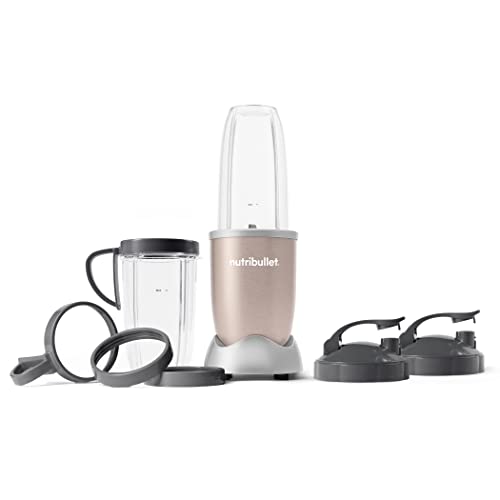
- With 900 watts of power, the Pro is faster and stronger than the original, but just as simple to use. Load it up with de…
- POWER YOUR DAY: 900 watts of power in this compact powerhouse turns anything from strawberries to spinach into smooth, s…
- EASY TO USE: Simple, intuitive design makes this a device you’ll use every day. Just push, twist and blend. Yes, it’s th…
In terms of healthy snacks, protein bars and low-calorie meal replacement shakes are vital. Brands like Quest and Orgain offer delicious options that manage to be fulfilling while remaining low in calories. These products not only curtail hunger but also provide essential nutrients, helping to support a sustainable calorie deficit meal plan.

- ENJOY MORE. CARB LESS: Variety pack (12ct) Quest Tortilla Style Protein Chips provide all the crunch and satisfying tast…
- CRUNCH INTO COMPLETE PROTEINS: Quest Tortilla Style Protein Chips are made with complete, dairy-based proteins to provid…
- SALTY, SAVORY, CRUNCHY: Quest Tortilla Style Protein Chips are crunchy and seasoned to perfection

- CLEANER INGREDIENTS: Orgain Nutritional Shakes serve up complete nutrition including 16g of organic grass-fed protein, 1…
- HIGHER STANDARDS: Non-GMO, no carrageenan, gluten-free, no soy ingredients, kosher dairy, no artificial colors, flavors,…
- VITAMINS & MINERALS: Support your daily nutrition with an excellent source of Vitamin B12, Zinc, Vitamin C, Vitamin D, V…
By integrating these products into your daily routine, you can streamline your meal prep and enhance your overall success in achieving and maintaining a calorie deficit. This approach ensures you have the resources needed for healthier eating, making your weight loss goals more achievable.
Sample Calorie Deficit Meal Plan
When creating a calorie deficit meal plan, it is essential to ensure that each meal is balanced, satisfying, and nutritionally rich. Below is a sample meal plan for a full day, aimed at achieving a significant calorie deficit while providing adequate macronutrients.
Breakfast: Begin your day with a Bowl of Oatmeal made from ½ cup of rolled oats (150 calories) topped with ½ sliced banana (50 calories) and a tablespoon of almond butter (100 calories). This meal offers approximately 300 calories, with a healthy mix of carbohydrates, fiber, and protein.
Mid-Morning Snack: A single serving of Greek yogurt (150 calories) paired with a handful of mixed berries (50 calories) provides an excellent source of protein and antioxidants. This snack totals around 200 calories, making it a nourishing pick-me-up.
Lunch: For lunch, consider a Grilled Chicken Salad that includes 4 ounces of grilled chicken breast (200 calories), mixed greens, cherry tomatoes, cucumbers, and a tablespoon of olive oil vinaigrette (100 calories). This meal comes in at roughly 400 calories, combining protein and healthy fats for optimal energy.
Afternoon Snack: A small apple (80 calories) accompanied by a tablespoon of peanut butter (95 calories) serves as a filling and nutritious snack, rounding up to about 175 calories.
Dinner: End your day with Quinoa Stir-Fry made with 1 cup of cooked quinoa (220 calories), mixed vegetables (50 calories), and 3 ounces of tofu or lean protein (150 calories). This meal provides approximately 420 calories and incorporates a good balance of protein, carbohydrates, and healthy fats.
In total, this sample calorie deficit meal plan amounts to around 1,500 calories. Each meal is designed to be easy to prepare, balanced, and satisfying, enabling individuals to stick to their calorie deficit meal plans while enjoying a diverse range of flavors and nutrients throughout the day.