
Understanding Perimenopause and Menopause
Perimenopause and menopause are two critical stages in a woman’s reproductive life that signify the transition from fertility to the cessation of menstrual cycles. Perimenopause, also known as the “transition phase,” typically begins in a woman’s 40s, although it can start earlier or later. During this phase, which can last several years, estrogen and progesterone levels fluctuate significantly. This hormonal imbalance may lead to various symptoms, including irregular menstrual cycles, hot flashes, night sweats, mood changes, and sleep disturbances.
Menopause is defined as the point in time when a woman has not experienced a menstrual period for 12 consecutive months, typically occurring between the ages of 45 and 55. The average age of menopause onset is around 51 years. At this stage, the ovaries cease to produce hormones, particularly estrogen, leading to the end of menstruation. The lack of estrogen influences several bodily functions, including metabolism and body fat distribution.
The physiological changes during both perimenopause and menopause are also closely linked to weight gain, a concern that many women face. As estrogen levels decline, fat storage can increase, particularly in the abdominal area. This shift in body composition not only contributes to weight gain but can also increase the risk of various health issues, such as cardiovascular disease and diabetes. Additionally, lifestyle factors, including diet and physical activity, can play crucial roles during these transitions, amplifying the impact of hormonal changes.
By understanding the distinctions and changes that occur during perimenopause and menopause, women can better navigate the challenges of weight management during this period and make informed choices about their health and wellness. This foundation will help in exploring the key weight gain triggers associated with perimenopause and menopause in the following sections.
Hormonal Changes Impacting Weight Gain
The transition from perimenopause to menopause is marked by significant hormonal changes that can lead to weight gain in women. During perimenopause, the levels of estrogen, progesterone, and testosterone begin to fluctuate and gradually decline, setting the stage for various physiological changes. Estrogen plays a crucial role in regulating metabolism and fat distribution; thus, its decrease can alter how the body processes and stores fat. Women may notice that fat begins to accumulate more around the abdomen rather than the hips and thighs, which is a common shift during this stage.
Progesterone, which also declines during this period, has a role in appetite regulation and mood. Lower levels of progesterone may lead to increased cravings and, consequently, higher caloric intake, further contributing to potential weight gain. Additionally, the interplay between these hormones can affect metabolic rates, making it easier to gain weight while more challenging to lose it during menopause compared to earlier stages of life.
Testosterone, although present in smaller amounts in women, is another hormone that can influence body composition. A decline in testosterone may contribute to loss of lean muscle mass, which is vital for maintaining metabolic rate. As muscle decreases, the body burns fewer calories at rest, which can lead to an energy surplus and, ultimately, weight gain. Given these factors, understanding the hormonal landscape of perimenopause versus menopause is essential for women aiming to manage their weight effectively.
Another aspect worth considering is hormone therapy, which can be a viable option for some women seeking to alleviate menopausal symptoms and potentially aid in weight management. However, the relationship between hormone therapy and weight gain is complex and can vary depending on individual circumstances.
Lifestyle Factors Contributing to Weight Gain
The transition through perimenopause and menopause is a significant physiological change in a woman’s life, often marked by weight gain. Understanding the various lifestyle factors that contribute to this weight gain is essential for managing it effectively. A comprehensive look at diet, physical activity, stress levels, sleep quality, and emotional health reveals how these elements can exacerbate weight challenges during these transitional phases.
Dietary changes tend to occur during perimenopause and menopause. Women may experience cravings for sugary and high-caloric foods, often in an attempt to cope with hormonal fluctuations. Adopting a balanced diet rich in whole foods, such as fruits, vegetables, lean proteins, and whole grains can combat this trend. Additionally, being mindful of portion sizes and minimizing processed foods can significantly aid in maintaining a healthy weight.
Physical activity is another critical factor. Regular exercise not only helps in managing weight but also mitigates other menopausal symptoms such as mood swings and fatigue. Engaging in a mix of aerobic, strength training, and flexibility exercises can optimize body composition and support overall health.
Stress also plays a pivotal role in weight gain during this life stage. Elevated cortisol levels associated with stress can lead to an increase in abdominal fat. Implementing stress management techniques, such as mindfulness, yoga, or even regular social engagements, is vital to sustaining mental and emotional well-being.
Moreover, quality sleep has profound effects on weight management. Hormonal changes during menopause can disrupt sleep patterns, contributing to weight gain. Therefore, prioritizing sleep hygiene, which includes maintaining a regular sleep schedule and creating a restful environment, is critical.
In conclusion, through understanding and addressing these lifestyle factors, women can better navigate the challenges of weight gain associated with perimenopause and menopause. By making conscious choices regarding diet, exercise, stress management, and sleep hygiene, it is possible to mitigate the weight gain triggers associated with these significant life transitions.
Amazon Products to Support Healthy Weight Management
Managing weight during perimenopause and menopause can be particularly challenging due to hormonal changes and shifts in metabolism. Fortunately, several products available on Amazon can aid in maintaining a healthy weight throughout these transitions. Below are some recommended categories of products that can help support women in this journey.
Dietary Supplements: Nutritional supplements such as omega-3 fatty acids, calcium, and vitamin D can play a vital role in supporting hormonal balance and bone health. Brands like Garden of Life and Nature’s Way offer carefully formulated supplements that target specific deficiencies associated with perimenopause and menopause, making them a valuable addition to a daily regimen.

Fitness Gear: Engaging in regular physical activity is instrumental in weight management during these life stages. Resistance bands, yoga mats, and stability balls can enhance home workout routines, promoting flexibility, strength, and balance. Products from brands like TRX or Gaiam cater to various fitness levels, ensuring accessibility for all women.

Exercise Programs: Online fitness subscriptions such as Beachbody or Daily Burn provide tailored exercise programs designed for women in their perimenopausal and menopausal phases. These platforms often present a variety of workout styles, from low-intensity yoga to high-intensity interval training, allowing users to choose what best fits their lifestyle and energy levels.
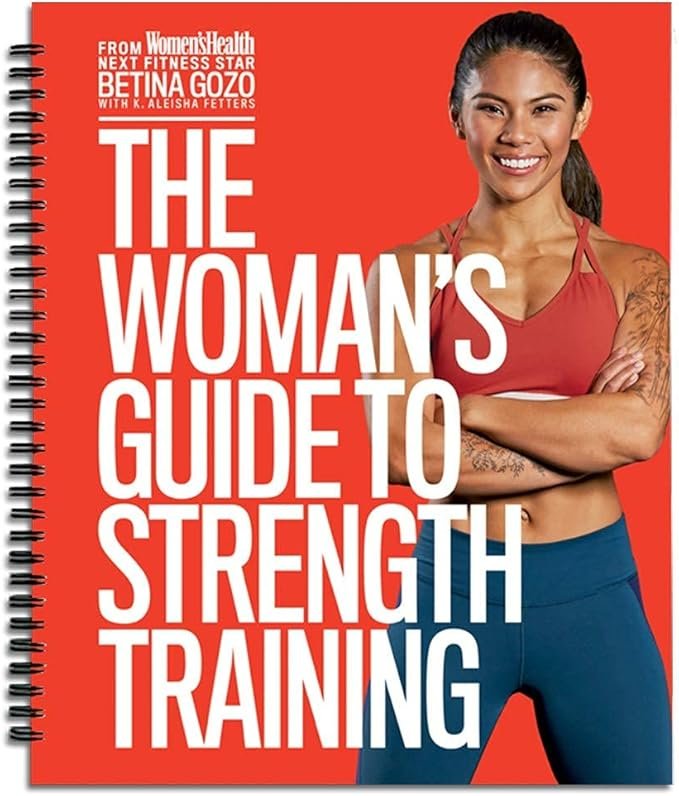
Healthy Cookbooks: Nutrition is a cornerstone of weight management. Cookbooks focused on hormone balancing recipes can be highly beneficial. Titles like “The Hormone Reset Diet” by Dr. Sara Gottfried offer meal plans and recipes designed to enhance metabolism and promote overall well-being. Such resources can simplify meal preparation and inspire healthier eating habits.

By incorporating these thoughtfully chosen Amazon products, women can take proactive steps in addressing the weight gain triggers frequently associated with perimenopause vs. menopause. These tools not only make the journey easier but also empower women to embrace their health during these transformative years.