Understanding Midsection Weight Gain: Causes and Solutions
The Science Behind Midsection Weight Gain Midsection weight gain is a complex phenomenon that can be attributed to various physiological and hormonal changes occurring in the body. One significant factor is hormonal imbalances, particularly during pivotal life stages such as menopause. At this point, women experience a drop in estrogen levels, which can lead to…
The Science Behind Midsection Weight Gain
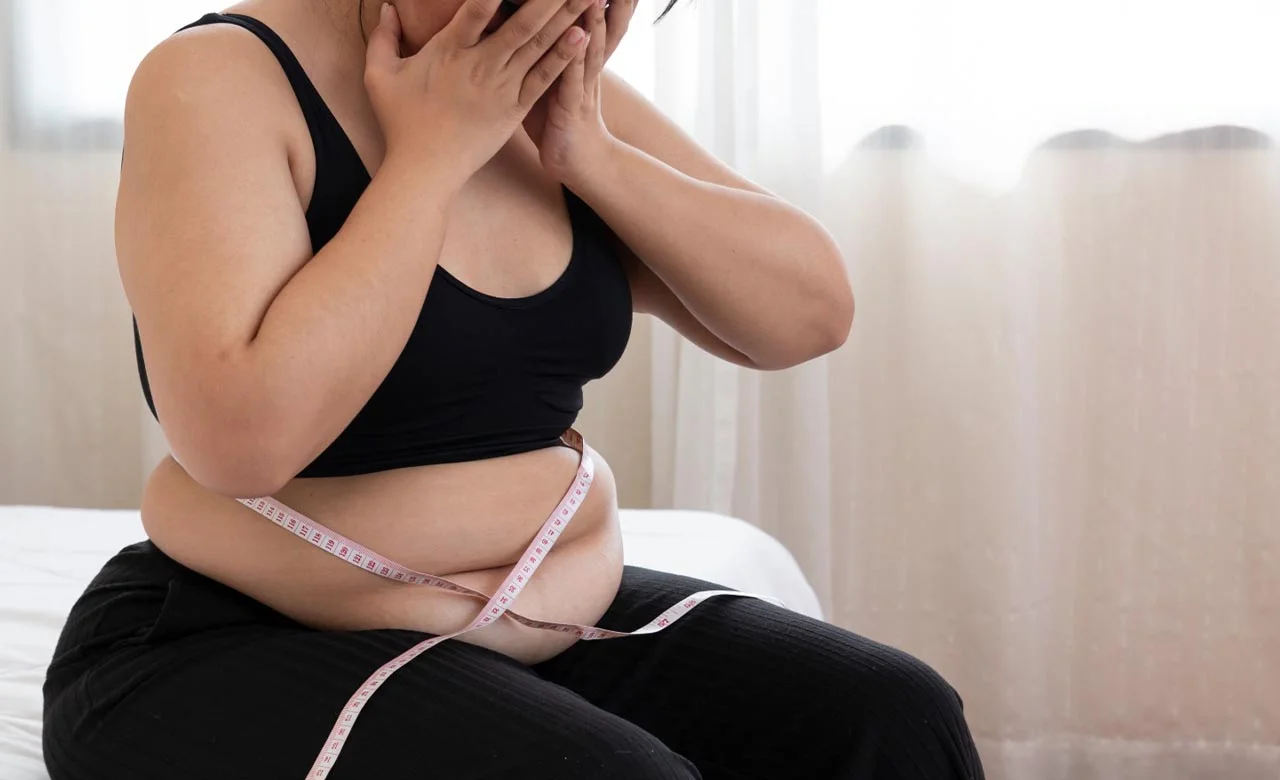
Midsection weight gain is a complex phenomenon that can be attributed to various physiological and hormonal changes occurring in the body. One significant factor is hormonal imbalances, particularly during pivotal life stages such as menopause. At this point, women experience a drop in estrogen levels, which can lead to an increase in abdominal fat. Research indicates that low estrogen levels are correlated with fat redistribution, causing weight to accumulate around the waist rather than in the hips and thighs, which is more common in younger women.
Another crucial factor contributing to what causes midsection weight gain is increased cortisol levels. Cortisol, often referred to as the stress hormone, tends to rise during periods of stress. Elevated cortisol is linked to increased appetite and cravings for high-calorie foods. This can lead to excessive caloric intake, particularly of processed foods that store fat in the abdominal area. Chronic stress and the resultant cortisol production are significant contributors to abdominal obesity, highlighting the importance of stress management in addressing midsection weight.
Additionally, metabolic slowdown plays a vital role in the accumulation of visceral fat. As individuals age, their metabolic rate predominately decreases, which can result in weight gain if caloric intake is not adjusted accordingly. This slowdown often leads to less energy expenditure and can exacerbate the tendency to gain weight in the midsection. Factors such as reduced muscle mass and lower physical activity levels further contribute to this slowdown, emphasizing the need for a proactive approach to maintain a healthy lifestyle.
In conclusion, understanding the physiological and hormonal underpinnings of midsection weight gain is essential. By recognizing how hormonal imbalances, elevated cortisol, and metabolic changes interact, individuals can take informed steps to combat abdominal obesity and improve overall health.
Lifestyle Factors Contributing to Midsection Weight Gain
Midsection weight gain is a prevalent concern for many individuals, particularly as they age. Several lifestyle factors play a significant role in this issue, and understanding them is crucial for effective weight management.
One of the primary influences on what causes midsection weight gain is diet. A poor diet, characterized by high-calorie, low-nutrient foods, can lead to an accumulation of fat around the abdomen. Processed foods, sugary snacks, and excessive alcohol consumption are common contributors. These food choices can disrupt the body’s natural metabolism and cause an insulin response that encourages fat storage, particularly in the midsection.
Lack of physical activity is another critical factor affecting midsection weight gain. Sedentary lifestyles reduce energy expenditure, making it easier to gain weight, especially in the abdominal area. Regular exercise, on the other hand, is essential for maintaining a healthy weight and and reducing belly fat. Physical activity helps control body weight by burning calories and improving metabolic health, which together mitigate the risk of gaining weight in the midsection.
Stress management also plays an integral role. Chronic stress can lead to the release of cortisol, a hormone linked to increased appetite and cravings for unhealthy foods. This, in turn, can exacerbate what causes midsection weight gain. Managing stress through mindfulness practices, regular exercise, and adequate leisure time is essential for holistic health and preventing weight gain.
Lastly, sleep deprivation has been shown to impact hormones related to hunger and appetite, potentially leading to increased caloric intake and poor food choices. Sleeping fewer hours can hinder recovery and exacerbate weight issues, making it critical to prioritize restful sleep.
How Menopause Affects Weight Distribution
Menopause, a natural biological process that signifies the end of a woman’s reproductive years, dramatically alters hormonal levels, particularly estrogen. This hormonal shift is pivotal in understanding what causes midsection weight gain in postmenopausal women. As estrogen levels decline, the body undergoes multiple changes that influence fat distribution. Research indicates that a decrease in estrogen leads to an increase in visceral fat—a type of fat that accumulates around the abdominal organs and is correlated with various health risks such as cardiovascular disease and diabetes.
In premenopausal women, estrogen is known to promote the storage of fat in the hips and thighs, often referred to as the “pear shape.” However, during menopause, as estrogen levels drop, there is a noticeable shift in how the body stores fat, resulting in a more pronounced “apple shape”. This phenomenon can be attributed to the body’s adaptation to lower estrogen levels, which makes the accumulation of abdominal fat more likely. Moreover, this visceral fat is particularly harmful as it can lead to chronic health conditions.
The psychological and physical effects of menopause can also contribute to weight gain. Symptoms like mood swings, insomnia, and fatigue may decrease motivation for physical activity and healthy eating, making it challenging for women to maintain their weight. Coupled with hormonal changes, these factors create a complex situation where many women find themselves struggling with weight management during and after menopause. As these changes can significantly impact health and well-being, it is crucial for women to understand the underlying causes of midsection weight gain during this phase and seek appropriate solutions.
Strategies to Combat Midsection Weight Gain: Menopause Belly Reset

Addressing what causes midsection weight gain especially during menopause involves implementing a range of effective strategies. A holistic approach that encompasses lifestyle modifications, dietary changes, exercise regimens, and stress-reduction techniques can significantly aid in managing weight fluctuations associated with this life stage.
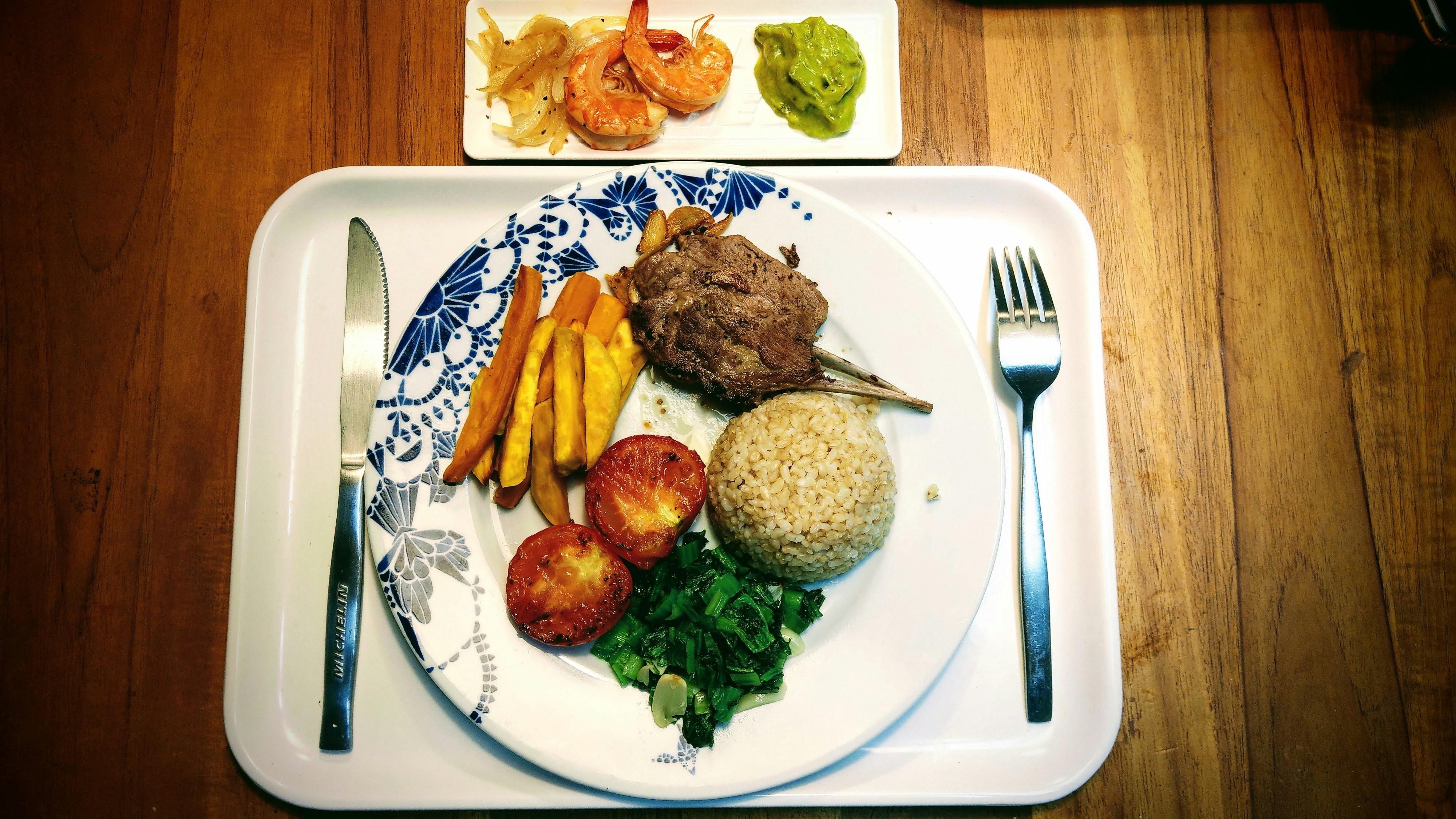
One of the first steps in combating weight gain in the midsection is to adopt a well-balanced diet. This includes increasing the intake of whole foods such as fruits, vegetables, lean proteins, and whole grains, while reducing processed foods high in sugar and trans fats. Such dietary adjustments can help stabilize blood sugar levels and minimize insulin resistance, a key factor contributing to abdominal weight gain during menopause.
Regular physical activity is another cornerstone in the battle against midsection weight gain. Engaging in both aerobic and strength training exercises not only burns calories but also builds muscle mass, which is crucial as metabolism tends to slow with age. Activities such as brisk walking, yoga, and weight lifting can be particularly effective in maintaining muscle tone and reducing belly fat.
Equally important is managing stress levels, as chronic stress can trigger hormonal changes that contribute to weight gain in the abdominal area. Incorporating stress-reduction techniques such as meditation, breathing exercises, or even simple hobbies can be beneficial. Finding time for relaxation and self-care can help mitigate the effects of stress on weight gain patterns.
To further assist individuals grappling with these issues, the “Menopause Belly Reset” eBook provides a comprehensive guide tailored to help manage weight effectively during menopause. This resource offers actionable insights, tailored meal plans, and specific exercise regimens designed to target midsection weight gain. By implementing these strategies, individuals can take proactive steps towards a healthier lifestyle and regain control over their weight during this transitional phase.