Best Hormone-Friendly Breakfast Ideas for a Keto Lifestyle
The human body operates through a complex interplay of hormones that regulate various physiological processes. Hormones, which are chemical messengers, are produced by glands and travel through the bloodstream to target organs, affecting functions such as growth, metabolism, and mood. Among the key hormones involved in these processes are insulin, cortisol, and estrogen. Each of…

The human body operates through a complex interplay of hormones that regulate various physiological processes. Hormones, which are chemical messengers, are produced by glands and travel through the bloodstream to target organs, affecting functions such as growth, metabolism, and mood. Among the key hormones involved in these processes are insulin, cortisol, and estrogen. Each of these hormones plays a crucial role in maintaining homeostasis and overall well-being.
Insulin is primarily responsible for managing blood sugar levels. It facilitates the uptake of glucose into cells, providing energy for bodily functions. When insulin levels become dysregulated, often due to a diet high in carbohydrates, it can lead to insulin resistance, a precursor to various metabolic disorders. Adopting a keto lifestyle, which emphasizes low carbohydrate intake, has shown promise in improving insulin sensitivity, thereby supporting weight management and metabolic health.
Cortisol, often dubbed the stress hormone, is secreted in response to stressors. While it serves essential functions, prolonged elevated cortisol levels can lead to weight gain, particularly around the abdominal area, and can disrupt sleep patterns. A balanced diet that includes hormone-friendly foods can be beneficial in managing cortisol production. Foods rich in healthy fats, such as those favored in a ketogenic diet, may help modulate cortisol levels and thus contribute to stress reduction.
Estrogen, primarily known as a female hormone, also plays a significant role in various bodily functions for both sexes, including regulating the menstrual cycle and affecting mood. Hormonal fluctuations, whether due to dietary choices or lifestyle factors, can impact weight, emotional well-being, and overall health. Incorporating foods that support hormonal balance, like lean proteins and healthy fats found in keto-friendly meals, can foster a more stable hormonal environment.
In conclusion, understanding how hormones function and interact within the body is vital for maintaining health. A well-balanced, hormone-friendly breakfast can set the tone for the day, enhancing energy levels and contributing to better mood and weight management, thus complementing the keto lifestyle effectively.
The Keto Diet Explained: Key Principles and Benefits
The ketogenic diet, or keto diet, is a dietary regimen characterized by high-fat and low-carbohydrate intake, designed to transform the body’s metabolic processes. The primary principle behind this diet is to induce a state known as ketosis, where the body shifts its primary energy source from carbohydrates to fats. This metabolic shift occurs when carbohydrate intake is significantly reduced, prompting the body to utilize stored fat for energy, which is converted into ketones, a type of fuel that the brain and other tissues can use efficiently.
One of the key benefits of adopting a keto lifestyle is its effectiveness for weight loss. Decreased carbohydrate consumption can lead to a reduction in insulin levels, promoting fat burning and possibly enhancing fat oxidation. Many individuals find that this shift not only aids in shedding excess weight but also results in changes to their hormonal balance. For instance, insulin, which plays a critical role in fat storage, becomes less prevalent in a keto diet, allowing for better regulation of body fat.
Moreover, the ketogenic diet is associated with various potential health benefits beyond weight loss. Research suggests that it may improve metabolic syndrome parameters, enhance cognitive function, and alleviate inflammatory conditions. This is likely due, in part, to the enhanced stability of blood sugar levels that a lower carbohydrate intake encourages. By stabilizing blood sugar, individuals may experience fewer hormonal fluctuations, contributing to a balanced hormonal state.
In summary, the ketogenic diet promotes a unique metabolic state that has profound effects on energy utilization, weight management, and hormonal balance. By prioritizing healthy fats and minimizing carbohydrates, individuals can potentially reap notable health benefits while supporting their hormonal health.
Top Hormone-Friendly Breakfast Ideas
When it comes to maintaining hormonal balance while following a keto lifestyle, selecting the right breakfast options is essential. Here are some hormone-friendly breakfast ideas that not only support a low-carb diet but are also packed with nutrients that may help regulate hormones effectively.
1. Avocado Egg Cups: Start your day with avocado egg cups, where half an avocado is filled with a baked egg. This dish is rich in healthy fats and protein, making it a perfect keto breakfast. Simply cut an avocado in half, remove the pit, and crack an egg into the center. Bake at 425°F until the egg white is set. This option is not only satisfying but also aids in stabilizing blood sugar levels.

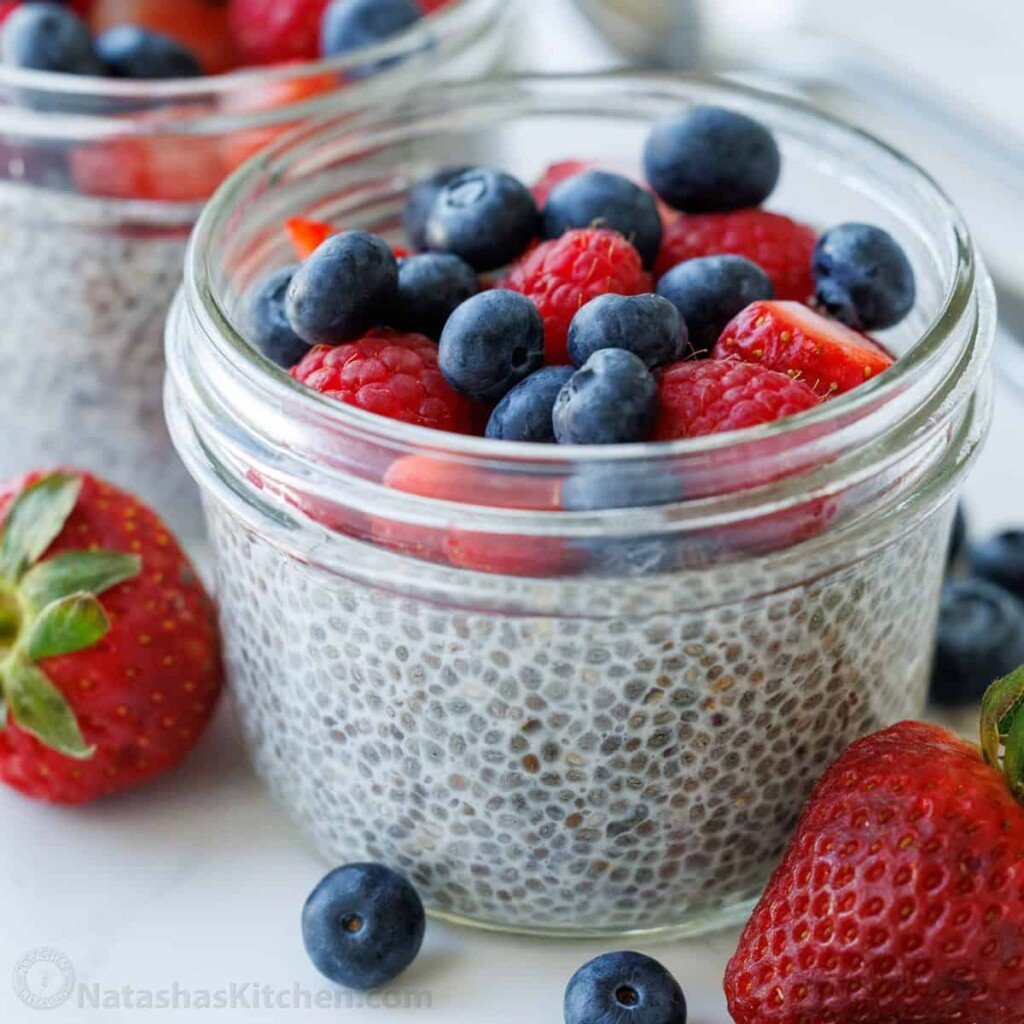
2. Chia Seed Pudding: A chia seed pudding prepared with almond milk can be an ideal, hormone-friendly choice. Chia seeds are high in omega-3 fatty acids and provide fiber, which is significant for gut health. Mix chia seeds with almond milk and let it sit overnight. In the morning, top it with a few berries for added antioxidants while keeping carbs low.
3. Spinach and Cheese Omelet: An omelet filled with spinach and cheese is another excellent breakfast idea. Eggs are nutrient-dense and provide protein, while spinach offers a variety of vitamins and minerals. Simply sauté spinach, pour whisked eggs over it, and sprinkle cheese before flipping. This dish not only aligns with keto principles but also supports hormonal health.

4. Greek Yogurt with Nuts: Unsweetened Greek yogurt can serve as a base for a quick and nutritious breakfast. Add a handful of mixed nuts for healthy fats and crunch. Both yogurt and nuts provide a great source of protein and can help maintain satiety throughout the morning.

These options highlight how a harmonious blend of healthy fats, low-carb vegetables, and protein sources can create delicious breakfasts suited for hormonal balance and the keto lifestyle. Incorporating these ideas into your morning routine may lead to better overall health and well-being.
Actionable Strategies for Incorporating Hormone-Friendly Breakfasts
To seamlessly incorporate hormone-friendly breakfast options into your keto routine, it is essential to adopt a few strategic approaches. Meal prepping is one of the most effective ways to ensure nutritious breakfasts are always on hand. By dedicating a few hours at the beginning of the week, you can prepare a variety of breakfast items that align with a keto diet. Consider making egg muffins, chia seed pudding, or low-carb pancakes that can be easily reheated or consumed cold.
Quick recipes also play a vital role in simplifying breakfast preparation. Aim for meals that require minimal cooking time but still deliver nutritional benefits. Smoothies using unsweetened almond milk, spinach, avocado, and protein powder can be whipped up in no time. Additionally, overnight oats, prepared in advance with nuts and seeds, can serve as a satisfying morning meal without taking much time out of your day.
Stocking your pantry with essential keto staples can greatly enhance your breakfast options. Items like coconut oil, nuts, seeds, and various low-carb sweeteners provide versatility and convenience in creating meals. Having these ingredients readily available reduces decision fatigue, enabling you to focus more on your health rather than meal planning.
Avoiding monotony is crucial in maintaining interest in your breakfast routine. Experiment with different food combinations, such as pairing eggs with avocados or incorporating leafy greens into your smoothies. It is also important to listen to your body and recognize food sensitivities. Eliminate common allergens or ingredients that cause digestive discomfort to better manage your overall well-being.
By utilizing these strategies, you can easily integrate hormone-friendly breakfasts into your keto lifestyle, ensuring that you start your day positively and healthily.